1974 · Album
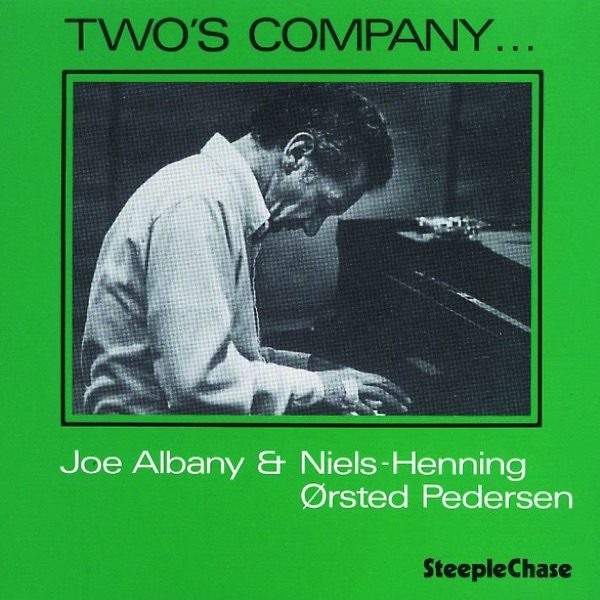
Two's Company
↑ Niels-Henning Ørsted Pedersen
Recorded 1974 · SteepleChase · Format: Duet: piano and bass
When the Bass Player Anchors the Conversation
Pedersen's bass lines give Albany the solid ground he needs to remember who he is as a player.
What makes Two's Company work is Niels-Henning Ørsted Pedersen. The bassist doesn't overshadow Joe Albany—the album is Albany's date—but Pedersen's presence reshapes what the piano can do here. Pedersen plays with a clarity and harmonic sophistication that forces Albany to stay honest. There's no room for vagueness or self-indulgence when you're working with a bassist this exact. On these six standards, Albany sounds genuinely alive, his boppish touch still intact even as his career had seen better days. The Allmusic review caught this, awarding the album four stars and noting that "Albany is heard in prime form on the thoughtful yet swinging set."
But the Penguin Guide to Jazz offered a useful counterpoint: while they preferred this over some of his other work, they heard "clumsy" passages and "misfingerings" in the solo sections. That's honest criticism, not dismissal. Albany wasn't rebuilding his technique here—he was showing up to play with someone he could trust. Pedersen's anchor makes the album coherent. Without that bass work grounding every phrase, these sessions might have drifted into the scattered playing that limited Albany's later output. Instead, the duet format forces a real conversation, and both men are paying attention.
This isn't a masterpiece, and it's not the place to start with Albany. But it's a solid session from 1974 that captures him in genuinely good form, held together by a bassist who knew exactly what the music needed.
Who's playing
Niels‐Henning Ørsted Pedersendouble bass
Joe Albanypiano