Garbarek's Sparse Beauty in Sound
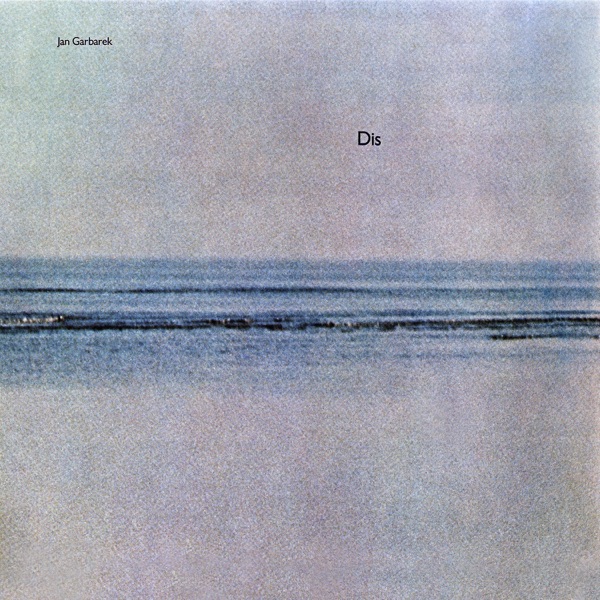
Dis strips away excess to reveal saxophone as a voice of pure, unguarded emotion.
Dis arrives as a turning point in Jan Garbarek's evolution, a record where the Norwegian saxophonist stops trying to fill every space and starts trusting silence instead. Coming early in his international career, this album shows him moving away from the dense, fusion-influenced sound he'd explored before. What you get here is something cleaner, more introspective—Garbarek's tenor and soprano saxophones accompanied by piano, bass, and drums in configurations that feel almost chamber-like in their restraint. Tracks build slowly, sometimes uncomfortably so, but that's the point. There's nowhere to hide.
The musicianship is sharp and deliberate. Garbarek's tone is warmer here than in some of his later work, less prone to the extended techniques and abstract textures he'd become known for. His lines breathe, they pause, they don't apologize for empty space. The rhythm section sits deep, giving him room to explore each phrase without feeling rushed or pressured to fill time. This isn't flashy playing—it's the opposite. It's about listening hard and responding with clarity rather than speed or virtuosity for its own sake.
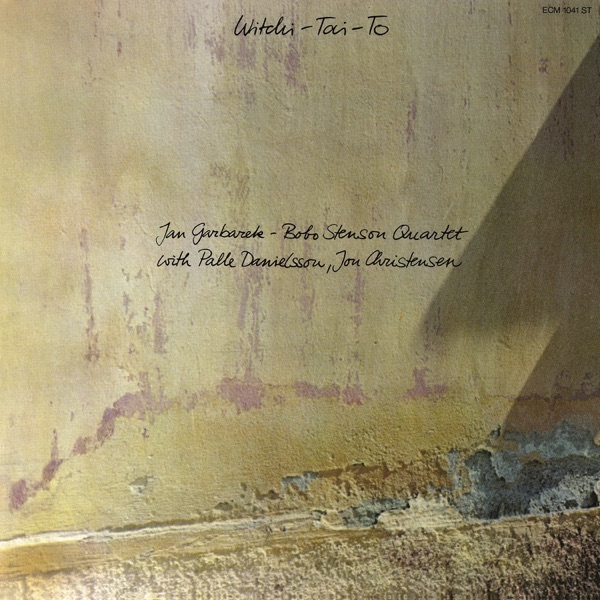
Dis works best if you come to it curious rather than expecting immediate payoff. It's not a starter album for Garbarek; you'd probably have better luck with something like Witchi-Tai-To (1974) if you want his music to grab you faster. But this one has aged remarkably well, and it rewards patience. For listeners willing to sit with sparse arrangements and saxophone that thinks as much as it plays, Dis reveals itself as genuinely moving. It's a record about restraint from a musician who'd later learn to stretch further, and that restraint is its strength.
Who's playing
Ralph Townerguitar
Jan Garbareksaxophone