1972 · Album
Birth
Recorded July–August 1971 · ABC Impulse! · Produced by Not specified in available sources
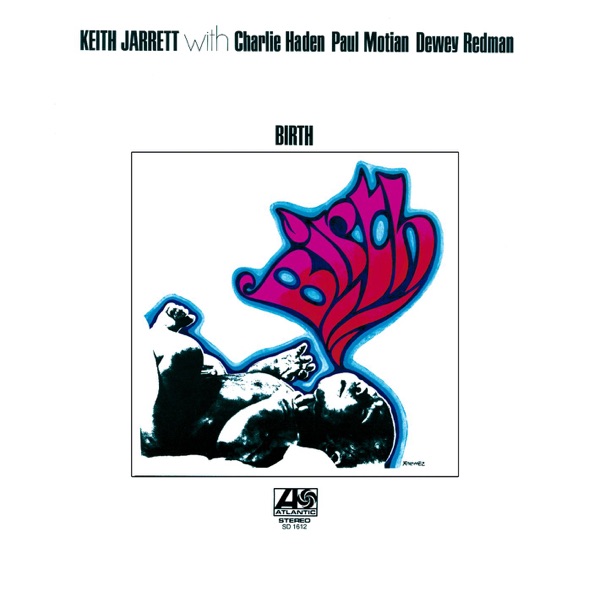
The Quartet Takes Shape
The potential was there, waiting to be fully realized by this intriguing ensemble.
Birth arrived quietly in 1972, a working document rather than a statement. Scott Yanow's review for AllMusic noted that not everything worked — there were wandering moments — but the music held interest. That qualified praise masked something more important: this was the moment Keith Jarrett's "American quartet" crystallized. The three albums cut across five sessions in summer 1971 with Dewey Redman on soprano saxophone felt like Jarrett thinking out loud with Charlie Haden and Paul Motian, figuring out what this group could do.
What makes Birth distinct is how unsettled it feels. Jarrett wasn't playing bebop or modal jazz or free music — he was threading between them, and Redman's soprano added a sharp, searching edge that kept everything slightly off-balance. The rhythm section stayed responsive rather than driving, which gave the music room to breathe and sometimes to stumble. Haden's bass and Motian's drumming were attentive rather than propulsive, leaving space for Jarrett's piano to range from lyrical to abstract across a single track.
This isn't the album to start with if you want Jarrett at his most assured. But it's essential if you want to hear a brilliant musician and an important ensemble in the act of becoming. The potential Yanow mentioned would indeed be realized — spectacularly — but Birth catches them before the destination was certain, still discovering what the quartet could express.
Who's playing
Where next?
More by Keith Jarrett
All 29 albums →


The musicians on this record

Liberation Music Orchestra 1970
Charlie Haden
plays double bass here
plays double bass here

Conception Vessel 1973
Paul Motian
plays drums (drum set) here
plays drums (drum set) here

The Ear of the Behearer 1973
Dewey Redman
plays soprano saxophone here
plays soprano saxophone here



