1970 · Album
Liberation Music Orchestra
Recorded April 1969 · Impulse! · Produced by Bob Thiele

Music as a Weapon for the Voiceless
Haden turns the orchestra into a megaphone for the dispossessed, not through preaching but through pure sound.
Charlie Haden's Liberation Music Orchestra (1969) is something most jazz albums aren't: explicitly, unapologetically political. This isn't music that hints at social consciousness through clever titles or melancholic harmonies. Haden built an actual orchestra—woodwinds, brass, strings—around the idea that jazz could speak directly to liberation struggles happening in real time. The record opens with "Heartbeat," and what you hear is orchestral density married to the kind of collective energy you'd associate with a street march. It's bold and occasionally awkward, which is part of its honesty.
The record draws on spirituals, revolutionary songs, and original compositions, weaving them into something that sounds like nothing else in the jazz canon. Unlike much politically engaged art that can feel didactic or heavy-handed, this one breathes. Haden doesn't ask the orchestra to deliver a sermon; he asks it to move with intention. "All the Things Are Lovely" and "Inchworm" appear here not as standards but as materials for collective reimagining. The arrangements respect the material without suffocating it. This sits apart from Haden's chamber work and his later ballad albums—it's rawer, more experimental, willing to risk sounding messy in service of its convictions.
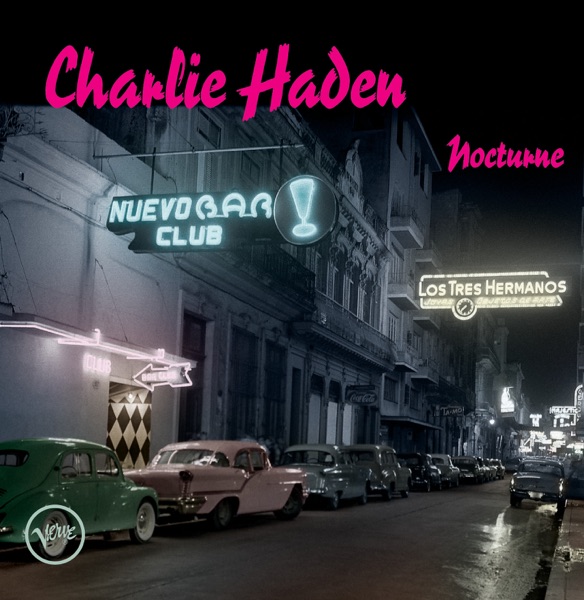
The album found a modest audience in 1969, though it's never been a commercial touchstone. It matters less as a stepping stone in Haden's career than as proof that jazz ensembles could tackle explicit social statement without sacrificing musicality. Later ensembles and collective projects owe something to this record's refusal to separate politics from art-making. If you already love Haden's work, this shows a side of his thinking that his ballad records don't touch. If you're new to him, Nocturne (1968) is probably the better entry point, but this one reveals something essential about his commitments.
Who's playing
Charlie Hadendouble bass
Carla Bleypiano
Sam Brownguitar
Gato Barbiericlarinet, tenor saxophone
Dewey Redmansaxophone
Michael Mantlertrumpet
Roswell Ruddtrombone
Don Cherrycornet, flute
Paul Motiandrums, percussion
Brother AhFrench horn
Howard Johnsontuba
Perry Robinsonclarinet
Where next?
More by Charlie Haden
All 44 albums →

The musicians on this record

Where Is Brooklyn? 1969
Don Cherry
plays cornet here
plays cornet here

Conception Vessel 1973
Paul Motian
plays drums (drum set) here
plays drums (drum set) here

The Ear of the Behearer 1973
Dewey Redman
plays saxophone here
plays saxophone here

Escalator Over the Hill 1971
Carla Bley
plays piano here
plays piano here


