2001 · Album
Nocturne
Recorded 2001 · Universal/Polygram · Grammy Award: Best Latin Jazz Album (2002)
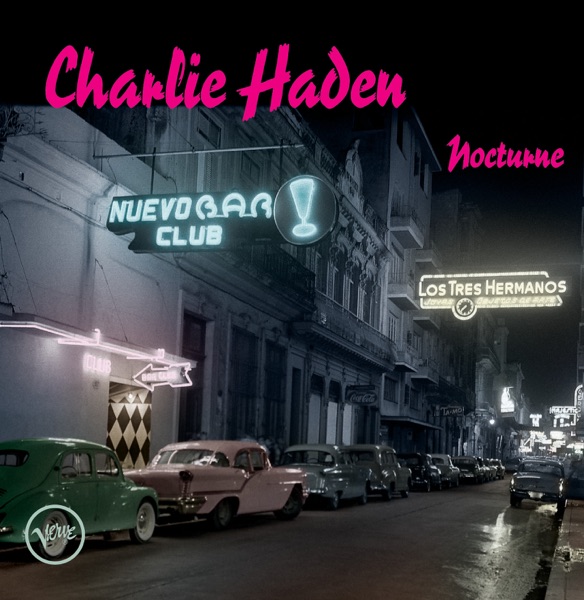
Quiet Mastery: Haden and Rubalcaba's Intimate Dialogue
Nocturne arrived as accessible, polished music—and immediately proved its worth by winning a Grammy.
Nocturne landed in 2001 as a straightforward commercial release and was noticed right away. The album won Charlie Haden the Grammy Award for Best Latin Jazz Album in 2002, which meant it had institutional validation from the start. But Grammy wins don't always translate to critical depth, and in this case the response was mixed. AllMusic reviewer David R. Alder praised it as a melancholy, soothing record while also pointing out that the arrangements, though pleasant, sometimes lacked the complexity Haden and his collaborators were capable of delivering. The Penguin Guide gave it three stars—respectable but not enthusiastic.
What you're actually hearing is Haden on double bass with Gonzalo Rubalcaba anchoring the sessions on piano, supported by guest appearances from Pat Metheny on acoustic guitar, Joe Lovano and David Sánchez on tenor saxophone, plus Federico Britos on violin and Ignacio Berroa on percussion. The music is clean and restrained, prioritizing melody and space over urgency or surprise. This is late-career Haden—still nimble, still listening carefully, but working in a register designed for intimate listening rather than confrontation.
The album works best as exactly what it claims to be: candlelight dinner music made by serious musicians. That's not an insult. The craft is real, the interplay between Rubalcaba and Haden is attentive, and if you're looking for a Haden record that doesn't demand active work from the listener, this one delivers. Just don't expect it to make you reconsider what jazz can do.
Who's playing
Charlie Hadendouble bass
Gonzalo Rubalcabapiano
Pat Methenyacoustic guitar, guest
Joe Lovanoguest, tenor saxophone
David Sánchezguest, tenor saxophone
Federico Britosguest, violin
Ignacio Berroamembranophone
Where next?
More by Charlie Haden
All 44 albums →


The musicians on this record

One Quiet Night 2003
Pat Metheny
plays acoustic guitar here
plays acoustic guitar here

52nd Street Themes 2000
Joe Lovano
plays guest here
plays guest here

Supernova 2001
Gonzalo Rubalcaba
plays piano here
plays piano here



