1973 · Album
Conception Vessel
Recorded 1959 · Artists House · Produced by Not credited

Drums Leading the Way Forward
Motian's drumming doesn't keep time—it conversations with everyone else, pushing the music into unexpected places.
Paul Motian was already known as a sensitive accompanist, someone who could sit behind the kit and support a soloist without getting in the way. But Conception Vessel shows him stepping into a different role entirely. Here, his drumming becomes conversational, almost argumentative at times, treating the drums as a melodic voice rather than a timekeeper. The album has this restless quality to it—pieces don't settle into comfortable grooves but instead shift and turn, following wherever the musicians take them. You hear this right away: nothing here feels predetermined or overly rehearsed, even though clearly these players know what they're doing.
What makes this stand out from other Motian sessions is how much space there is. The rhythm section doesn't lock into patterns; instead, there's constant dialogue happening. Motian cracks the drums open, uses cymbals in surprising ways, and sometimes pulls back to let other voices fully breathe. The record has a chamber music feel despite being a jazz ensemble—intimate, detailed, each voice audible. Some of this material swings in a traditional sense, but plenty doesn't swing in any recognizable way. That's not a weakness; it's the point.
If you're coming to Motian through his work as a supportive drummer, this might surprise you. It's not a peak that overshadows everything he did before or after, and it's definitely not the easiest entry point into his music. But it's an essential document of a musician thinking seriously about what drums could do beyond timekeeping. Listen to it if you want to understand how jazz rhythm sections began opening up in the late 1950s.
Who's playing
Charlie Hadenbass
Keith Jarrettpiano
Sam Brownguitar
Becky Friendflute
Paul Motianpercussion
Leroy Jenkinsviolin
Where next?
More by Paul Motian
All 14 albums →


The musicians on this record
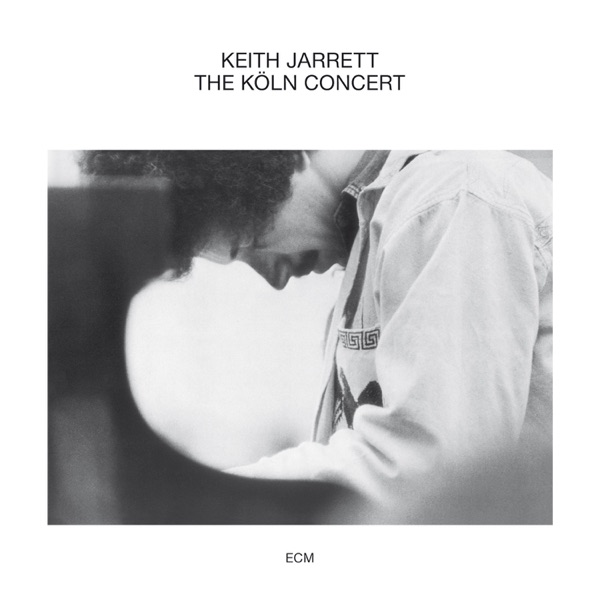
The Köln Concert 1975
Keith Jarrett
plays piano here
plays piano here

Liberation Music Orchestra 1970
Charlie Haden
plays bass here
plays bass here

Solo Concert
Leroy Jenkins
plays violin here
plays violin here



