Solitude and Dialogue in the Dark
Jarrett's solo piano becomes a conversation with itself, restless and searching.
The Moth and the Flame sits somewhere between Jarrett's introspective solo work and his more structured compositions, and it's worth your time if you're curious about what he was thinking during a particular moment in his career. This is essentially a solo piano record, which means you're getting Jarrett alone with the instrument, no safety net. There's something both vulnerable and stubborn about that choice. The music moves between quiet, almost fragile passages and these sudden bursts of energy, like he's arguing with himself about which direction to go. It's not meditative in the way some of his later solo work becomes. Instead, it feels more active, more restless. He's clearly working something out here.
What makes this different from his other solo efforts is the sheer number of moods packed into relatively compact pieces. A track will start introspective and minimal, then suddenly Jarrett's right hand is dancing over the keys while the left hand anchors something darker underneath. The title itself suggests this push and pull, light and dark, attraction and struggle. It's not always comfortable to listen to, which is actually the point. He's not trying to soothe you. He's trying to figure something out, and you're overhearing the process.
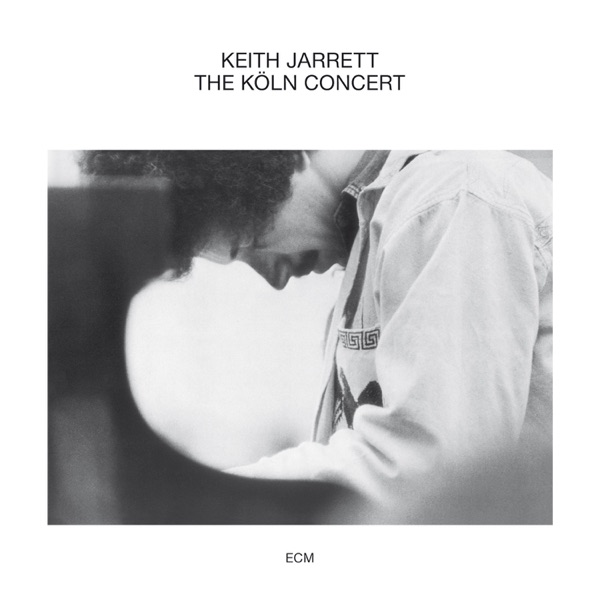
If you're new to Jarrett, start with something else first—maybe The Köln Concert (1975) if you want to understand what his solo work became at its most celebrated. The Moth and the Flame is more for listeners who already know his sound and want to see where he was experimenting, what he was questioning. It's a document of a working musician thinking in real time, which has its own kind of value if you're paying attention.
Who's playing
Keith Jarrettsoprano saxophone
Where next?
More by Keith Jarrett
All 29 albums →