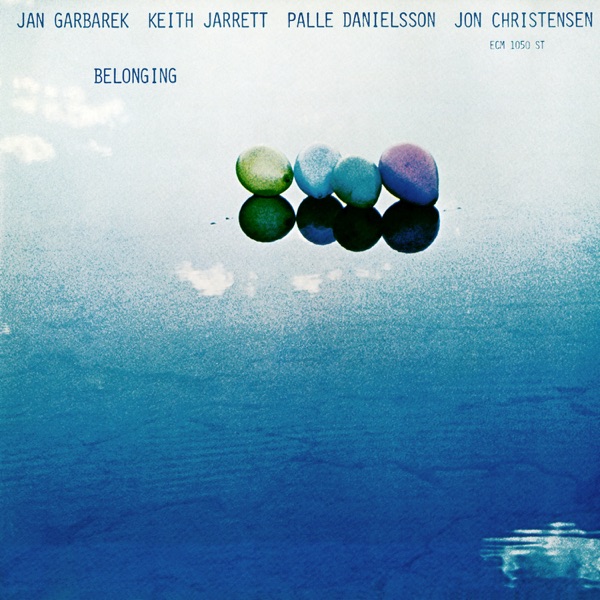
The Piano Finds Its Voice Alone
Jarrett's solo piano work strips away everything except what the moment demands.
Belonging stands as Keith Jarrett's first solo piano album, and it marks a genuine shift in how he thinks about music-making. By this point in his career, he'd already worked with established ensembles and absorbed lessons from everyone around him, but here he steps away from all that and just sits with the instrument. No rhythm section, no horns, no safety net. What emerges is something closer to conversation than performance—the piano responds to itself, contradicts itself, restarts mid-thought.
The recording captures Jarrett in a reflective mood across pieces that range from structured compositions to clearly improvised passages. There's no showmanship here, no attempt to dazzle. Instead you get real exploration: moments where he'll establish a melodic idea, chase it into unexpected harmonic territory, then abandon it because the piano is pulling him elsewhere. Tracks like the opening number demonstrate his gift for making stillness interesting—long stretches of space between ideas, and somehow that emptiness matters. The sound is direct and intimate, closer to hearing him practice than hearing him perform.
This isn't the album to grab first if you're new to Jarrett. It requires patience and a genuine interest in how a single musician thinks through problems in real time. But if you've spent time with his other work and want to understand where his creative instincts actually live, Belonging reveals it. It's the sound of someone learning what he's capable of when everything else gets out of the way.
Who's playing
Palle Danielssondouble bass
Keith Jarrettpiano
Jan Garbareksoprano saxophone, tenor saxophone
Jon Christensendrums
Where next?
More by Keith Jarrett
All 29 albums →


The musicians on this record

Witchi-Tai-to 1973
Jan Garbarek
plays soprano saxophone here
plays soprano saxophone here
♫
Personal Mountains 1989
Jon Christensen
plays drums (drum set) here
plays drums (drum set) here


