1996 · Album
Tokyo '96 (Live)
Recorded 1996, Tokyo · ECM Records · Produced by Manfred Eicher

Spontaneity in the Neon City
Jarrett's solo piano finds new urgency and color in a Tokyo concert hall.
By the time Keith Jarrett arrived in Tokyo in 1996, his solo piano concerts had become something of a given—you knew what you were getting into. A man alone with an instrument, playing whatever came to him, sometimes humming along. But Tokyo '96 (Live) catches him in a particular mood, one where the venue itself seems to matter. The Japanese audience has a specific kind of attention, patient and reverent without being stuffy, and Jarrett responds by digging deeper into his improvisations than usual. The pieces here unfold with real architecture. He's not just noodling or finding his way through comfortable patterns. There's actual narrative happening, moments where you feel him deciding to go somewhere specific, then following through.
What stands out immediately is the range of textures. Jarrett moves between delicate, almost solo-classical passages and driving rhythmic sections where both hands are working overtime. On some tracks he's bluesy and grounded; on others he floats into more abstract territory without losing the thread. The recording captures the piano beautifully—you can hear the wood, the strings resonating beneath whatever he's playing on top. This matters because Jarrett's work lives or dies by the fidelity of the instrument's voice. Here it sounds like a great piano in a good room, which is exactly what you need.
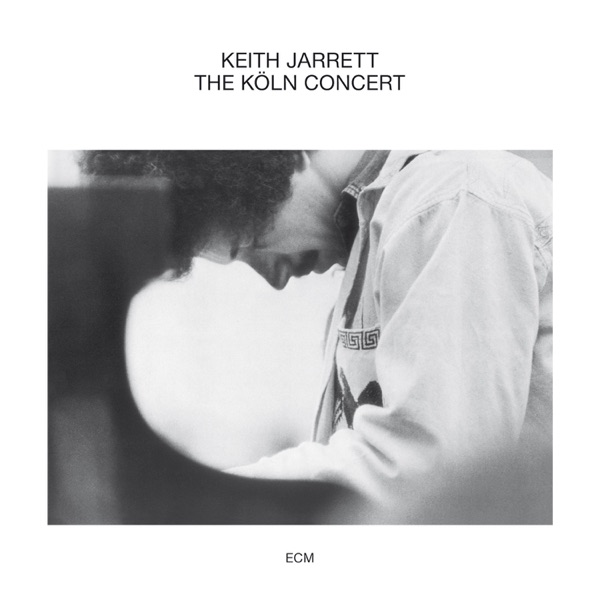
This isn't Jarrett at his most famous or most radical. If you've never heard him, start with The Köln Concert (1975), which remains the album that defined what solo piano improvisation could be. But Tokyo '96 is essential for anyone who wants to understand how he evolved, how he stayed engaged with the form decades later. It's mature work—not trying to prove anything, just deepening what he'd already discovered. For longtime listeners, it's proof that he hadn't exhausted the possibilities yet.