1971 · Album
The Mourning of a Star
Recorded July and August 1971 · Atlantic Records
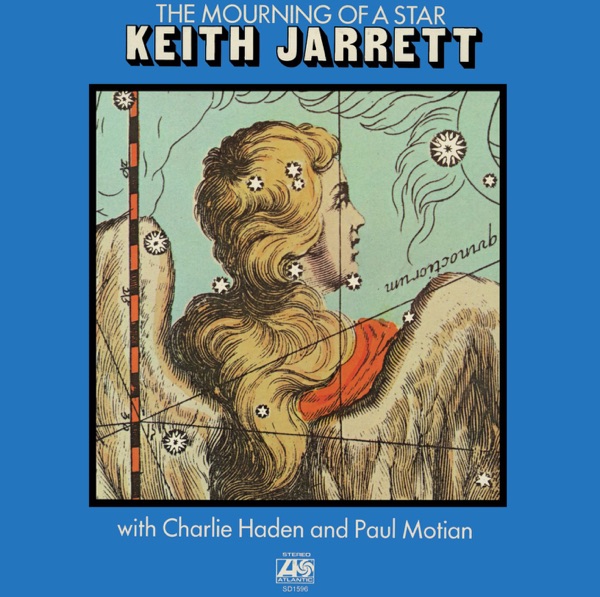
Three Albums from Five Sessions
Jarrett, Haden, and Motian had already found their sound—Redman's presence simply made it official.
In the summer of 1971, Keith Jarrett booked five days in the studio with Charlie Haden on bass and Paul Motian on drums. He also brought in Dewey Redman on tenor saxophone. What came out of those sessions was enough material for three separate albums: The Mourning of a Star (1971), El Juicio, and Birth. The thing is, Redman doesn't appear on this one. You might think that's odd given the setup, but it makes sense when you understand what was happening.
Jarrett's first trio—him, Haden, and Motian—was a working unit. They'd already developed a language together, this conversational approach to free improvisation where the piano doesn't dominate but leads by suggestion. They moved around spaces quietly, listening hard. This album is the trio at that moment, playing the material they'd worked out across those five days. The Mourning of a Star sits right at the edge of something. You can hear the restraint, the sensitivity these three brought to each other. It's not flashy. It's the opposite of flashy.
If you're new to Jarrett, don't start here. Go to Köln Concert (1975) or his American Standards records first. This one demands patience and rewards repeated listening. But if you already know Jarrett and Haden and want to hear them in that crucial moment before the quartet formed—before things got busier, louder, more complex—this is the album. It's a snapshot of a trio that was about to become something else. The sessions produced enough material for three records because Jarrett, Haden, and Motian were prolific when they connected. By documenting that fertile time across three albums, you get a full picture of what they were exploring together.
Who's playing
Where next?
More by Keith Jarrett
All 29 albums →


The musicians on this record

Liberation Music Orchestra 1970
Charlie Haden
plays bass here
plays bass here

Conception Vessel 1973
Paul Motian
plays percussion here
plays percussion here



