1975 · Album
El Juicio (The Judgement)
Recorded July and August 1971 · Atlantic · Produced by Not credited
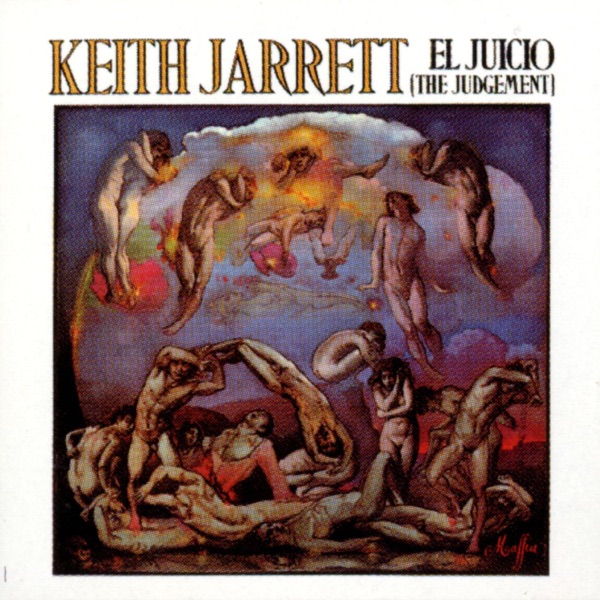
Four Days That Built an American Quartet
Fresh, intelligent, and never tarnished — a record that swings countrified joy alongside strange, brooding eschatology.
El Juicio sounds like a conversation between four musicians who trust each other completely. Keith Jarrett leads on percussion, Charlie Haden anchors the low end with his bass, Paul Motian is everywhere at once on drums, and Dewey Redman colors everything with tenor saxophone. The album moves between moods with ease: "Gypsy Moth" and "Toll Road" are joyous and loose-limbed, almost playful, while the title track itself is darker, stranger, something closer to a meditation on endings. Then there's "Piece for Ornette," which exists in two versions — one over nine minutes, one just twelve seconds — a nod to unconventional thinking that fits the whole session's spirit.
These four sessions happened in July and August 1971, and they mattered. Jarrett, Haden, and Motian had been playing together, but adding Redman's tenor completed something — what would later be called Jarrett's American quartet. The energy is raw but purposeful. Nothing feels overdone or second-guessed. The Penguin Guide to Jazz rated this 4/4, praising its freshness of approach and depth of musical intelligence. It's not a long record, but it doesn't need to be.
El Juicio came out in 1975, four years after the recording. By then, those 1971 sessions had already spawned two other albums — The Mourning of a Star and Birth. This one landed in the middle, and it holds its own. Not every album from this era needs to be your entry point to Jarrett, but if you already know his work and want to hear him in a band, working with four voices instead of one, this is the place.
Who's playing
Where next?
More by Keith Jarrett
All 29 albums →


The musicians on this record

Hamburg ’72 1972
Charlie Haden
plays double bass here
plays double bass here

Conception Vessel 1973
Paul Motian
plays drums (drum set) here
plays drums (drum set) here

The Ear of the Behearer 1973
Dewey Redman
plays percussion here
plays percussion here



