1960 · Album
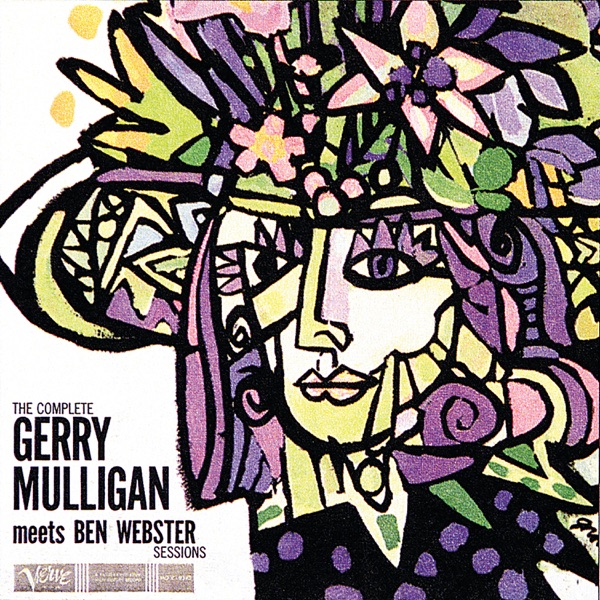
The Complete Gerry Mulligan Meets Ben Webster Sessions
Recorded 1957-1960 · Verve Records · Produced by Norman Granz
Two Tenors, One Perfect Conversation
Mulligan and Webster prove that restraint and space can say more than speed ever could.
The meeting between Gerry Mulligan and Ben Webster feels like it shouldn't work on paper. Mulligan was known for his cool, cerebral approach to the baritone saxophone—all precision and architectural thinking. Webster was an old-school romantic, a tenor player who played with warmth and a slightly slurred tone that could make even the simplest melody sound like a confession. But this collection shows exactly why it does work. They're not fighting for the same space. Webster occupies the warm, emotional center while Mulligan circles around him with dry wit and clever lines. The interplay has a natural ease that suggests genuine musical respect rather than forced compatibility.
What makes these sessions distinctive in Mulligan's catalog is how much he's willing to lay back. This isn't about showcasing his virtuosity or his compositional ideas—it's genuinely about listening and responding. The rhythm section gives them room to breathe, and both players use that space intelligently. There's actual silence in these recordings, which might sound strange to say, but it matters. The tempos are mostly relaxed, the mood consistently intimate. This is late-night music, the kind of thing you'd hear if you stumbled into exactly the right club at exactly the right time.
If you're coming to Mulligan for the first time, this probably isn't your starting point—begin with Gerry Mulligan Meets Ben Webster (1960) or his pianoless quartet recordings for something more immediately distinctive. But if you already know his work and want to hear him genuinely engaged with another musician rather than leading a session, this collection repays close attention. It's not flashy, but it's honest.
Who's playing
Leroy Vinnegardouble bass
Jimmy Rowlespiano
Gerry Mulliganbaritone saxophone
Ben Webstertenor saxophone
Mel Lewisdrums
Where next?
More by Gerry Mulligan
All 14 albums →
The musicians on this record
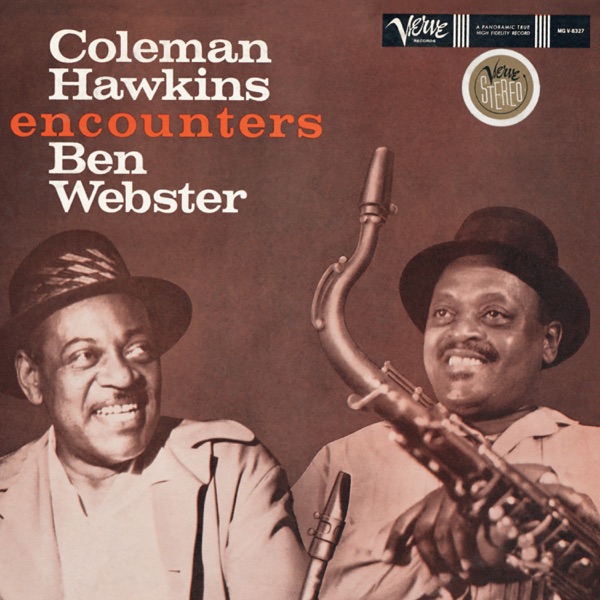
Coleman Hawkins encounters Ben Webster 1959
Ben Webster
plays tenor saxophone here
plays tenor saxophone here
♫
Kinda Groovy! 1962
Jimmy Rowles
plays piano here
plays piano here