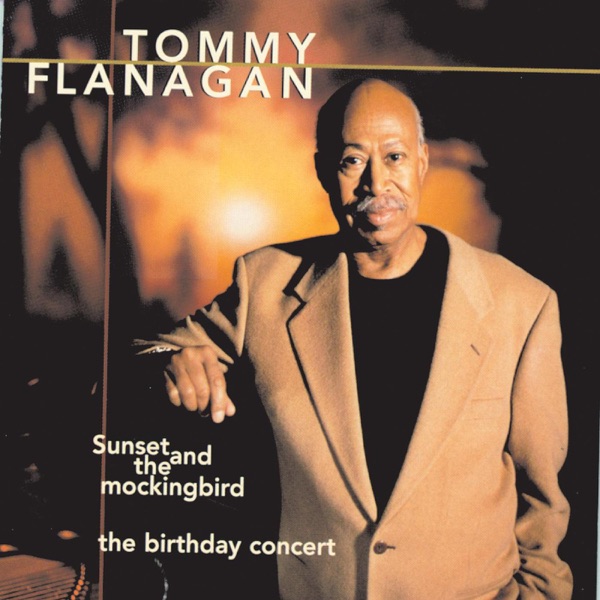
The Quiet Architect of Swing
If you've heard John Coltrane's Giant Steps (1959), you've heard Tommy Flanagan sweating through one of the hardest sessions of his life. He's the pianist on that record, and the story goes that Coltrane's chord changes were so brutal, so fast, that Flanagan's solo on the title track sounds like a man trying to keep his balance on a moving train. It's not his finest moment technically, but it's honest, and it tells you something about the guy: he showed up, he tried, and he never pretended the difficulty wasn't there.
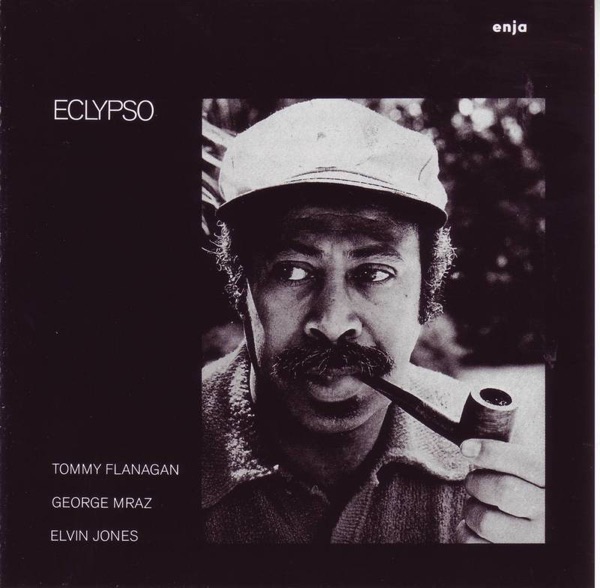
That's actually the wrong way to remember him, though, because on every other record he made, Flanagan sounds like the calmest person in the building. He came out of Detroit in the late 1940s, part of that city's remarkable bebop scene alongside Barry Harris, Kenny Burrell, and Elvin Jones, and he carried that city's sense of craft with him for the rest of his career. His touch was light, his lines were clean, and he had this way of voicing chords that made even a simple ballad sound considered rather than sentimental. He wasn't a flashy soloist. He was a musician's musician — the guy other pianists studied because he never wasted a note.
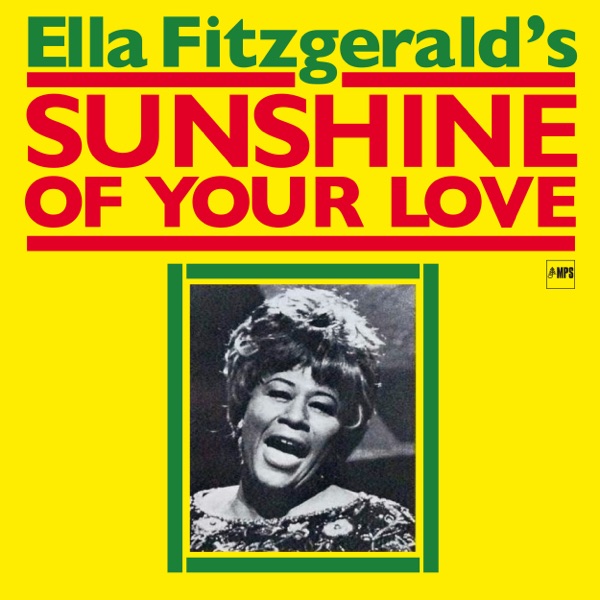
Most people, if they've heard Flanagan at all, heard him without knowing it. He spent close to two decades as Ella Fitzgerald's pianist and musical director, which meant he wasn't just playing changes behind her — he was shaping arrangements, cueing the band, and making sure one of the greatest voices in American music always had the right harmonic floor under her. That job doesn't get you magazine covers. It gets you respect from everyone who actually knows what it takes to support a singer of that caliber night after night, city after city, for years.
When he did step out as a leader, later in his career, the records are quietly wonderful. Overseas (1957) is where you first hear him fully formed, elegant and unhurried. Thelonica (1982) is his tribute to Monk, and Beyond the Bluebird (1990) pulls from the Detroit bebop songbook he grew up on, with old friend Kenny Burrell along for the ride. None of these records will knock you over. That's the point. Flanagan built a career on being the pianist you trust completely, the one who makes everyone around him sound better, and by the end he'd more than proven that a quiet approach can carry just as much weight as a loud one.
Start with Giant Steps (1959) if you want the myth, but go straight to Overseas (1957) if you want to hear who he actually was. Then listen to anything from his Ella years and pay attention to what's happening under her voice. That's Flanagan's real instrument — not just the piano, but the whole shape of the music around him.