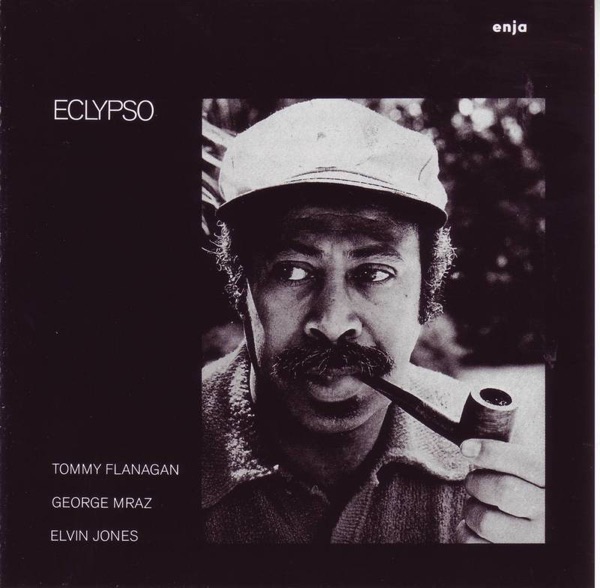
Quiet Mastery in a Trio Setting
Flanagan plays with taste and restraint, letting space speak as loudly as the notes themselves.
By 1960, Tommy Flanagan was already an accomplished sideman, but The Trio marked something different — a chance to lead on his own terms, without arrangement or star soloist to defer to. Working with George Mraz on bass and Al Foster on drums, Flanagan built a tight, conversational unit where economy and listening mattered more than flash.
The album's defining move was its tempo choices. Most selections unfold at deliberately slow speeds, which forces every decision into relief. There's nowhere to hide at a ballad tempo, and Flanagan doesn't try. Instead, he spaces his phrases carefully, lets the rhythm section breathe, and treats each chord change as something to inhabit rather than pass through. AllMusic noted the "quiet" sophistication at work here — these aren't introspective performances exactly, but they're reserved, letting taste do the heavy lifting.
This wasn't Flanagan's debut or his commercial peak, but it's an important record in a different way: evidence that a pianist could lead a small group with confidence and restraint. The album sits comfortably between his session work and his later reputation as a swinging trio pianist. If you already know Flanagan's playing, this trio date shows a side of him that rewards close listening — the opposite of bombast, built instead on trust between three musicians who understood the value of space.
Who's playing