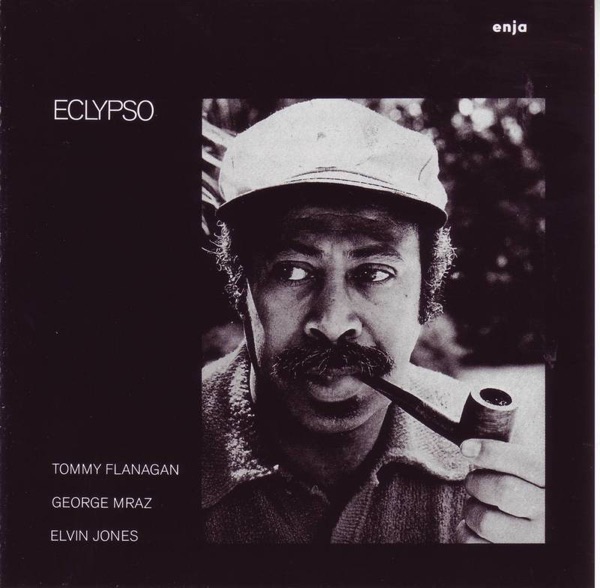
Two Voices in Intimate Conversation
Flanagan and Mraz trade ideas without drums, letting space matter as much as sound.
Tommy Flanagan and George Mraz recorded Ballads & Blues as a duo in 1978, a stripped-down setup that forces every note into relief. Without a drummer anchoring the beat, the two players had to create momentum through conversation alone — Flanagan comping and soloing on piano while Mraz walked, counterpointed, and occasionally stopped altogether to let silence breathe. This constraint shapes everything on the record. The ballads move at their own pace, unhurried and tender. The blues numbers swing, but with a gentler kind of propulsion, one that depends on interplay rather than groove.
Flanagan was already a master of this territory by 1978. He had spent decades accompanying singers and bandleaders, learning how to listen and respond. Mraz brought a similar sensibility — alert, responsive, never overplaying. The two of them knew how to leave room. Songs like the title tracks let melodies unfold simply, with Flanagan's touch on the keys conversational and warm. When they push harder, on the blues numbers, you hear the joy of two musicians who trust each other enough to take risks.
AllMusic reviewer Scott Yanow heard the album differently, noting that the music was fine but that "one does miss the momentum that would have been provided by a drummer." That's fair. There is something restless about listening to a jazz piano-bass duo for an album's length. But that restlessness is also the point. Ballads & Blues works because it refuses to move faster than thought.
Who's playing
George Mrazdouble bass
Tommy Flanaganpiano