1950 · Album
The Dizzy Gillespie Story: 1939-1950
Recorded 1939-1950 (various sessions) · Verify original releases—multiple labels issued these sessions · Produced by Verify—varies by session and label
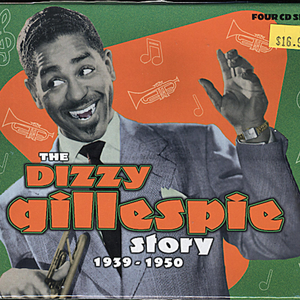
Dizzy Inventing Modern Jazz, 1939-1950
Gillespie's trumpet lines here sound like nothing before them—fast, angular, utterly in control.
This collection spans the decade when John Birks Gillespie essentially invented bebop trumpet. You're hearing him when the style was still being figured out, when he was still arguing with Charlie Parker and Tadd Dameron about what this music could be. Unlike a greatest-hits package, this set traces actual development. The earlier tracks show a player still finding his voice within swing conventions. By 1944 or so, everything changes. His lines start climbing into the upper register, his phrasing gets jagged and unpredictable, and suddenly he's not playing over the changes—he's dancing around them.
What matters here is the company. Gillespie wasn't working alone. Sessions with Bud Powell, Kenny Clarke, and Tadd Dameron show bebop as a conversation between equals, not a solo achievement. The rhythm sections are tight and responsive, which matters more than people think—good time players made Gillespie sound better. You also hear echoes of later titans: Fats Navarro, the gifted trumpeter who died at 26 from tuberculosis, appears here too, and his influence on Gillespie's phrasing is worth tracking. So is the imprint Gillespie left on younger players like Miles Davis and Clifford Brown.
This is essential listening if you care about jazz history, but it's not the place to start if you're new to Gillespie. The best entry point remains his small-group recordings from the mid-1940s—cleaner sound, sharper focus. This collection is for people ready to sit with the documents themselves, to hear the thinking happening in real time. Some sessions are sharper than others. Some technical details of the original recordings are rough. But that roughness is part of the value. You're hearing bebop when it actually mattered.
Who's playing
Milt Hintondouble bass
Benny Paynepiano
Danny Barkerguitar
Leon “Chu” Berrytenor saxophone
Walter "Foots" Thomastenor saxophone
Mario Bauzátrumpet
Dizzy Gillespietrumpet
Lammar Wrighttrumpet
Tyree Glenntrombone
Quentin Jacksontrombone
Keg Johnsontrombone
Cozy Coledrums
Jerry Blakereeds
Andrew Brownreeds
Hilton Jeffersonreeds