Dizzy at Full Throttle and Joy
Gillespie proves he's still the fastest mind in bebop, sharper and more playful than ever.
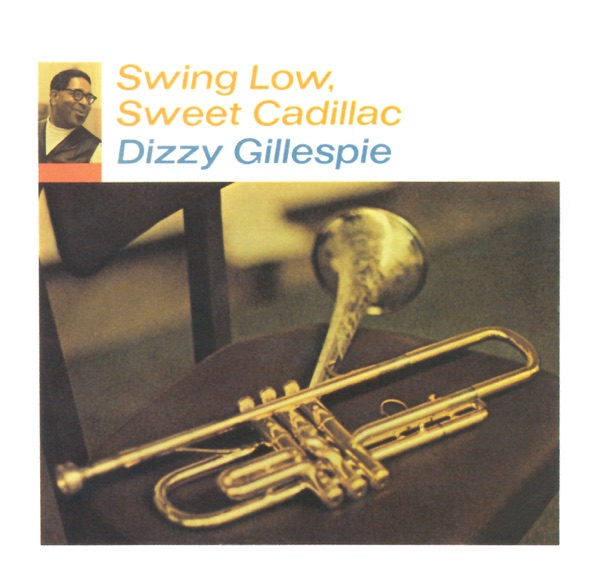
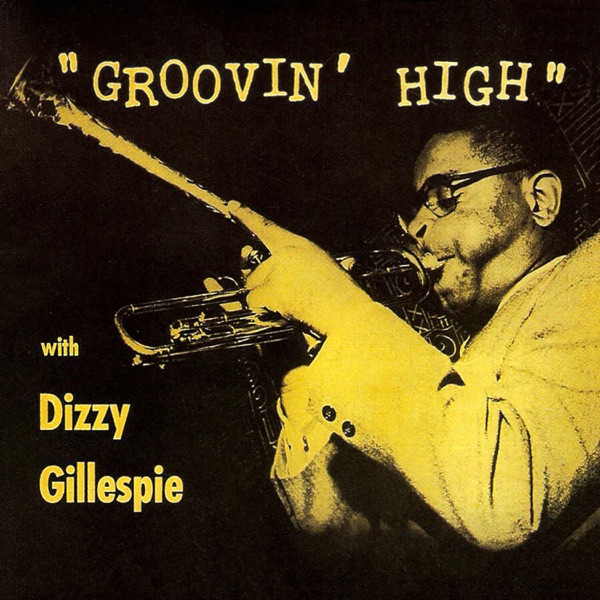
By the time Dizzy recorded these sessions, he'd already changed jazz forever. But what's striking about this collection is how much fun he's having—there's no sense of a legend resting on his laurels or trying to recapture past glories. Instead, you get Dizzy in his element: his trumpet cuts through with that signature snarl, his phrasing still unpredictable and thrilling. The arrangements crackle with energy. These aren't polished studio takes trying to prove something to history; they're a working musician at the top of his game, doing what he does best.
What makes this different from his earlier bebop recordings is the maturity in how he plays. The wild innovations are still there—the bent notes, the impossible runs, the way he can make his trumpet sound almost vocal—but they're deployed with more purpose now. There's restraint mixed in with the showmanship. He leaves space for the music to breathe. You hear a musician who understands exactly what he's capable of and isn't interested in wasting notes.
This isn't the place to start if you're new to Dizzy; begin with some of his classic small group sessions or Afro (1947) to understand where he came from. But if you already know his work and want to hear him still hungry and inventive, this delivers. It's a reminder that even decades into a career, a great musician can still find new angles, new joy in the music. This is Dizzy playing for the love of it, and that makes all the difference.