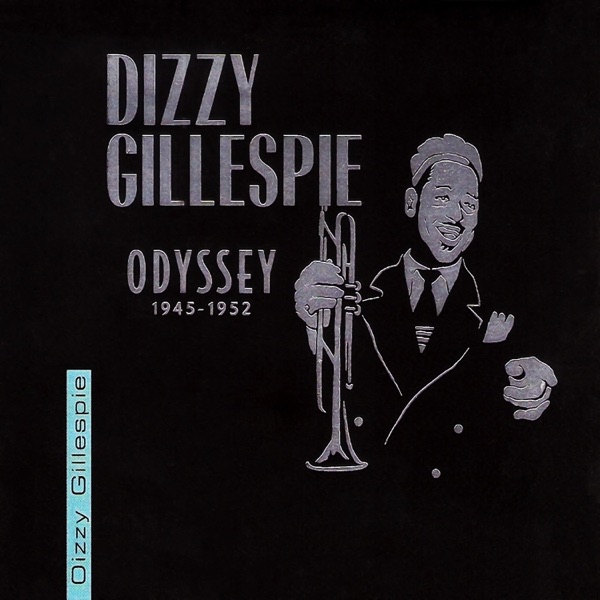
1945 · Album
Odyssey: 1945-1952
Recorded 1945-1952 · RCA Victor · Produced by Various (compilation of original sessions)
The Birth of Bebop's Sharpest Voice
Dizzy's horn cuts through these early sessions with urgency and invention that still sounds dangerous today.
Odyssey: 1945-1952 captures Dizzy Gillespie at the exact moment he was reshaping what jazz could be. These sessions span the crucial years when bebop stopped being an underground experiment in New York clubs and became the language the whole music would speak. You hear him finding his voice across different settings—small group dates, big band orchestrations, collaborations that pushed the music forward. The playing here has real stakes. There's no comfort yet, no settled style. Just a musician working at the edges of what his instrument could do, bending notes into shapes nobody had heard before.
What makes this collection valuable is how it documents the development rather than just presenting the highlight reel. You get to hear the ideas being tested, refined, sometimes abandoned. The fast tempos can sound almost reckless—Dizzy playing like he's got something to prove—but that's partly the point. This was music made by people who felt like they were inventing something essential. The arrangements swing hard even when the compositions are simple, and his trumpet work has this bright, aggressive quality that cuts through everything else happening on the bandstand.
This isn't Dizzy at his absolute peak—that came later—but it's the essential Dizzy, the one establishing the vocabulary he'd spend a lifetime exploring. If you want to understand how bebop actually sounded in its formative moment, when it was still genuinely strange and exciting to most listeners, this is where to listen. It's raw in the way that matters.
Where next?
More by Dizzy Gillespie
All 12 albums →