The Intimate Hours with Sarah Vaughan
Vaughan strips away the arrangements and lets her voice do what it does best: bend time itself.
After Hours catches Sarah Vaughan in a reflective mood, working in smaller ensembles that let her voice take center stage without competition. This isn't her biggest-sounding record, and that's exactly the point. By this stage of her career, Vaughan had already proven she could command any orchestra or big band, so here she's interested in conversation—trading phrases with her accompanists, exploring the spaces between notes, finding new angles on standards that could've been sung a thousand ways already.
What makes this record distinct is how intimate it feels. There's no grandstanding, no attempt to overwhelm you with technique or range, though both are obviously present. Instead, Vaughan seems genuinely interested in the material itself, in what a song can reveal when you slow down and listen to it carefully. The sessions have a late-night quality that matches the title—you're hearing her when most people are asleep, when the pretense drops away. These are the kinds of songs you sing when you're alone or with one other person in the room, and that's what you hear on the tape.
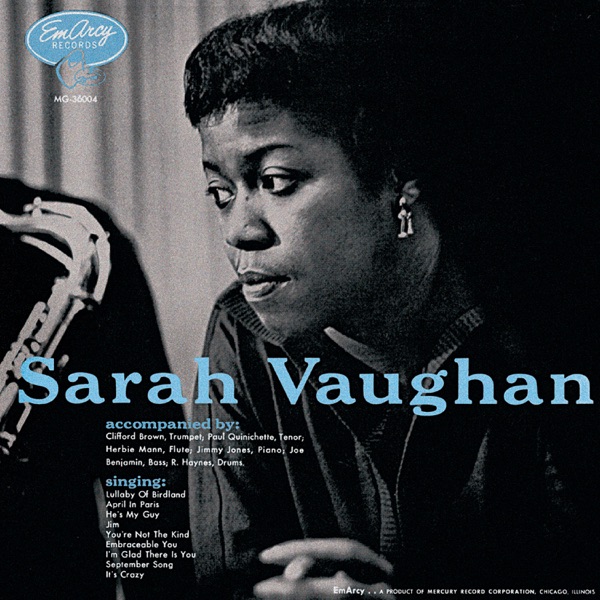
If you're coming to Vaughan fresh, start elsewhere—try something like Sarah Vaughan (1955) to hear her in full command of a larger sound. But if you already know her voice and want to experience what she could do when she decided to whisper instead of broadcast, After Hours is essential. It's not her most celebrated record, but it's one where you hear a major artist making specific artistic choices, and they all pay off.
Who's playing
George Duvivierbass
Mundell Loweguitar