1950 · Album
Sarah Vaughan In Hi-Fi
Recorded 1959 · Mercury Records · Produced by Quincy Jones
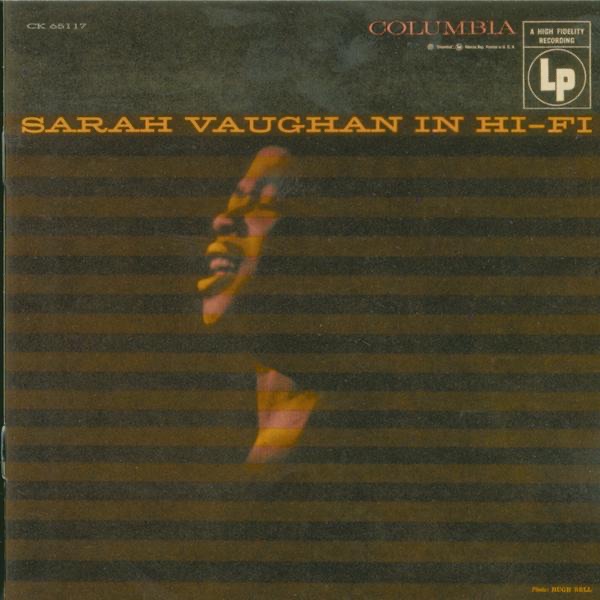
The Divine Voice Meets Modern Sound
Vaughan's voice floats effortlessly over crystal-clear arrangements, finally capturing her live magic on tape.
Sarah Vaughan In Hi-Fi arrives at a perfect moment in her career—she's already one of jazz's greatest singers, but this album lets you hear her the way she actually sounds in person. The high-fidelity recording is the real story here. Previous recordings captured her gift, sure, but they always felt a little distant, a little compressed. Here, you can hear the exact texture of her voice, the way she breathes between phrases, how she bends a note without overselling it. It's intimate without being claustrophobic.
The material is smart without being showy. These aren't obscure deep cuts or novelty numbers—they're songs Vaughan knows inside out, standards she's performed a thousand times. That familiarity is the point. She's not proving anything anymore. On tracks like these, what matters is the purity of her interpretation and the quality of the sound around her. The arrangements give her room to work, never cluttering the picture. The rhythm section stays in the shadows where they belong, letting Vaughan occupy the center completely. Her phrasing remains impeccable—those unexpected pauses, the way she plays with time without ever losing the groove.
This isn't a peak moment in the sense of experimentation or pushing boundaries. It's more about refinement and documentation. By this point in her career, Vaughan had already done the important work of establishing herself as a master interpreter. What Sarah Vaughan In Hi-Fi (1959) does is give you the clearest window into that mastery. If you want to understand why musicians still reference her as a standard-bearer, this album shows exactly why. The hi-fi isn't just a gimmick—it's a vessel for greatness that was always there.
Who's playing
Billy Taylor Jr.bass
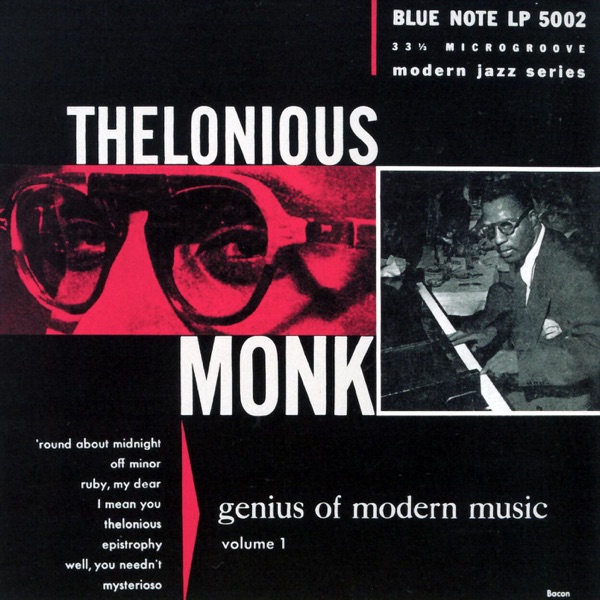
Jimmy Jonespiano
Freddie Greenguitar
Mundell Loweguitar
Budd Johnsontenor saxophone
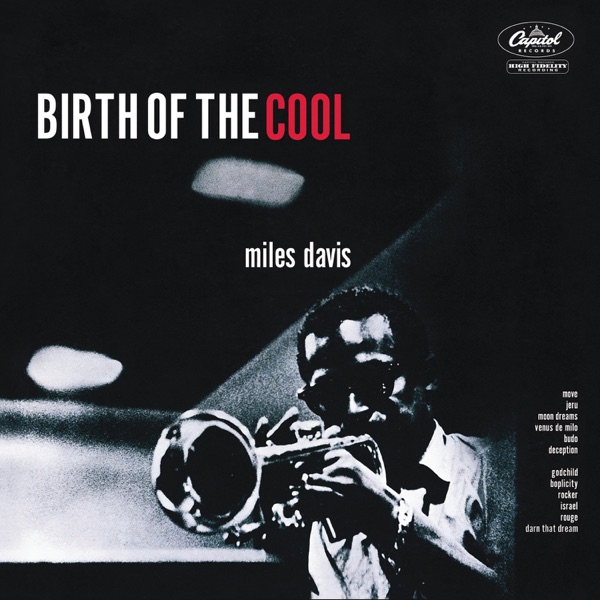
Miles Davistrumpet
Bennie Greentrombone
J.C. Hearddrums
Tony Scottclarinet
Where next?
More by Sarah Vaughan
All 12 albums →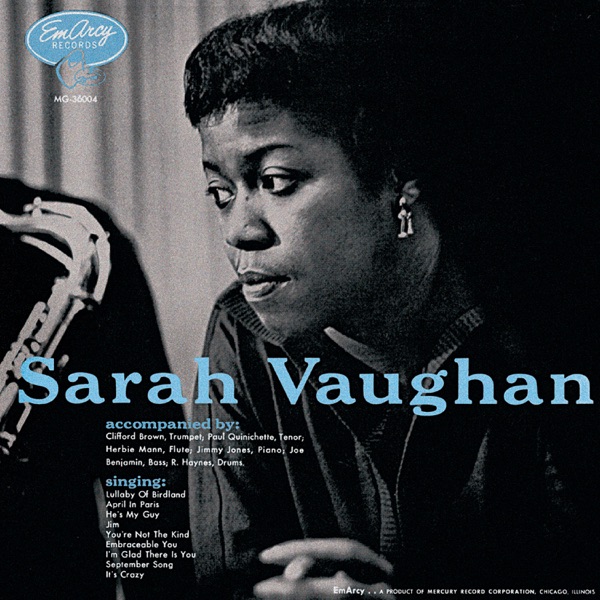

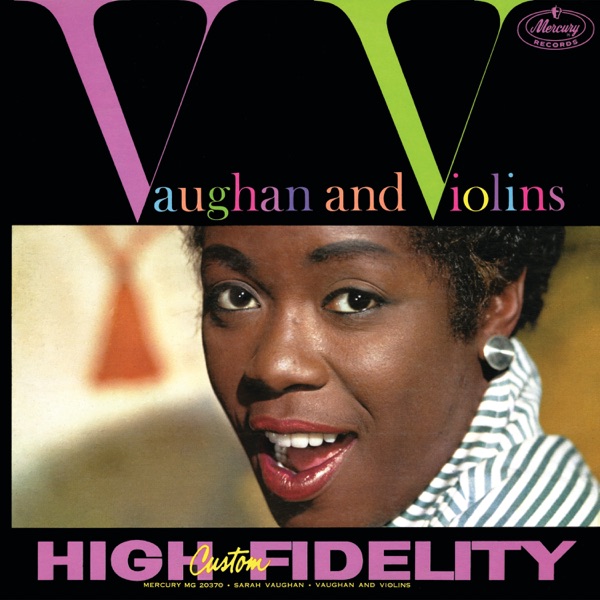

The musicians on this record
Their own records, close in time