1959 · Album
The Maharaja of the Keyboard
Recorded 1959 · Verve Records · Produced by Norman Granz
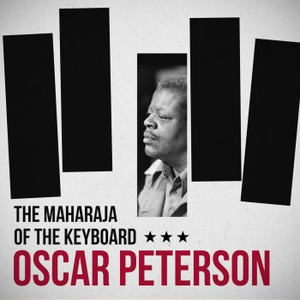
When Oscar Peterson Owned the Room
Peterson's fingers move with such precision and joy that you forget to breathe between solos.
Oscar Peterson had already proven himself as one of the finest pianists in jazz, but The Maharaja of the Keyboard (1959) catches him at a moment where he's completely comfortable being himself—no need to prove anything, just play. The title itself is a little tongue-in-cheek, which tells you Peterson wasn't taking himself too seriously here. What you get is pure piano virtuosity wrapped around a working trio that knows exactly what it's doing. The album lets Peterson's right hand do wild things while his left keeps everything grounded, and that balance is what makes it work. These aren't compositions designed to showcase technique for its own sake; they're actually songs with melody and structure that Peterson uses as springboards.
The recording captures him in a generous mood. He's swinging hard on the uptempo numbers and showing real sensitivity on the ballads, which is harder than it sounds. Some pianists choose one gear or the other. Peterson does both, sometimes in the same track. The rhythm section behind him is locked in tight, giving him room to stretch without ever losing the plot. If you've heard Peterson's work from earlier in his career, this one feels like a player who's earned his confidence. He's not trying to reinvent jazz piano or make some grand statement. He's just solving musical problems as they come up, and solving them really well.
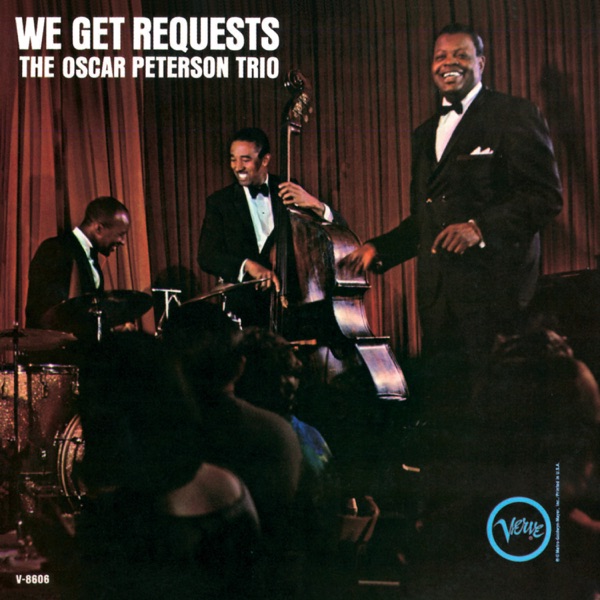
This album sits comfortably in Peterson's catalog rather than towering above it—it's a strong session from a musician in full command of his powers, but it's not the definitive Peterson statement. If you want the clearest picture of what he could do, We Get Requests (1964) might be the better starting point. That said, if you already know Peterson and want to hear him in excellent form just enjoying himself, this delivers exactly that. It's the sound of a master at work, no pretense required.