1956 · Album
In Washington, D.C. 1956, Volume One
Recorded 1956, Washington, D.C. · Unknown from provided sources · Produced by Unknown from provided sources
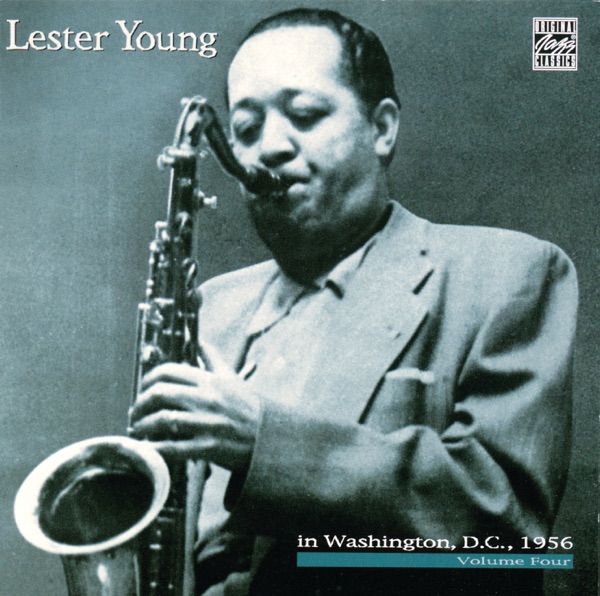
Young's Sound Holding Steady in '56
By 1956, Young's tone was still recognizable, still swinging, still worth hearing live.
By 1956, Lester Young was in his mid-forties and no longer the revolutionary force he'd been two decades earlier. He'd already made his mark on jazz, shaped the way tenor saxophone could sound, and influenced a generation of players who came after. This Washington, D.C. session finds him doing what he'd been doing for years: playing the tenor with that light, floating tone that made him sound almost like a horn player rather than a saxophonist. The years of heavy drinking and personal struggle were catching up with him physically, but his musicianship hadn't left.
This isn't a comeback record or a last gasp. It's simply Young doing his job—a working musician playing dance halls and clubs, still in demand, still able to deliver. The live recording captures him in real time, no studio polish, no overdubs. You hear what audiences heard when they came to see him perform. His rhythmic sensibility is still there, that ability to sit just behind or ahead of the beat in ways that make the whole band swing harder. He's not playing anything revolutionary here, and he doesn't need to. He's playing jazz, and he plays it well enough that people keep booking him.
This album sits firmly in Young's later period—important for understanding what his playing sounded like after his peak years, but not the place to start if you're new to him. If you want to hear him at his most innovative, look elsewhere. But if you're already familiar with his music and want to know what he sounded like live in the mid-1950s, this recording gives you a straight answer.
Who's playing