1984 · Album
Jumpin' At The Savoy Ballroom
Recorded Late 1950s · Savoy Records · Produced by Uncertain — not confirmed
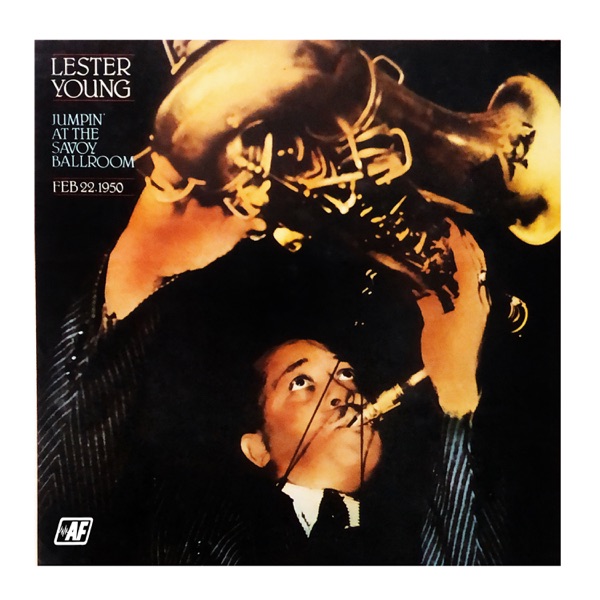
Prez Still Had It In Him
Young sounds loose and unhurried here, like a man who has nothing left to prove.
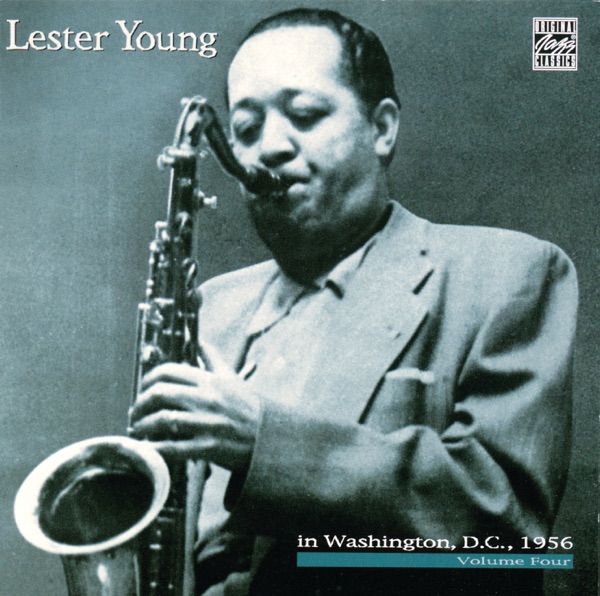
By the late 1950s, Lester Young had been through a lot — years of hard living, a difficult stretch in the military, and the kind of wear that shows up in a player's tone whether they want it to or not. What you get on this record is not the Young of the early Basie years, that impossibly light, floating saxophone sound that made everyone else rethink how the instrument could work. This is older Prez, a little rawer, a little more behind the beat, but still deeply himself. If you go in expecting the 1930s sessions, you might be surprised. If you go in curious about where he ended up, this is worth your time.
The playing here is relaxed in a way that can read as tired if you're not listening closely, but spend a few tracks with it and you start to hear what he's doing. Young was never about flash. He built phrases the way a good storyteller does — leaving space, letting things breathe, not rushing to the punch. His tone by this period had gotten warmer and a little rougher around the edges, which actually suits the ballads well. The rhythm section gives him room, and he takes it without overplaying.
This isn't a perfect record and it's probably not where you'd start with Young's catalog. The earlier small group recordings with Basie, or the sessions with Billie Holiday, are where you go first. But once you know those, this one fills in the picture. It shows a musician who had developed a genuinely personal voice on the tenor saxophone — which was his primary instrument, with occasional clarinet appearances — and was still using it, even near the end. That's not nothing.