1988 · Album
In a Mellow Tone
Recorded 1959 · Verve Records · Produced by Norman Granz

Kenny Burrell's Guitar Anchors Hawkins' Sound
Burrell's guitar work gives Hawkins the rhythmic foundation his tenor sax needs to breathe.
Kenny Burrell doesn't play lead here — he plays foundation. What makes this Coleman Hawkins session distinctive is Burrell's guitar work sitting tight in the pocket with the rhythm section, giving Hawkins' tenor sax the kind of grounded, swinging support that lets him bend and explore without losing the beat. Burrell wasn't known for flash or pyrotechnics; he was known for being in the right place at the right time, and on this recording, that's exactly what the music needed.
The core of the album rests on Hawkins' warm, authoritative tone on the standard that gives the album its name — a 1940 composition by Duke Ellington based on chord changes from the 1917 standard "Rose Room." Hawkins had already recorded this material decades earlier, but there's something settled and direct about his playing here, no need to prove anything. Burrell's rhythm guitar locks in with the piano work and bass, creating a bed that's neither too busy nor too spare. It's the sound of musicians who know exactly what the song needs and deliver it without hesitation.
This isn't Hawkins at his peak years — it's a solid session from a master still playing with clarity and purpose. The album works because everyone on it understood the job: state the melody, swing hard, get out of the way when someone else is soloing. Burrell made sure that foundation stayed firm.
Who's playing
Ron Carterdouble bass
Tommy Flanaganpiano
Ray Bryantpiano
Kenny Burrellguitar
Eddie “Lockjaw” Davistenor saxophone
Coleman Hawkinstenor saxophone
Gus Johnsondrums
Osie Johnsondrums
Where next?
More by Coleman Hawkins

Duke Ellington Meets Coleman Hawkins 1963
♫
The Hawk Flies High 1957

Coleman Hawkins and Confrères
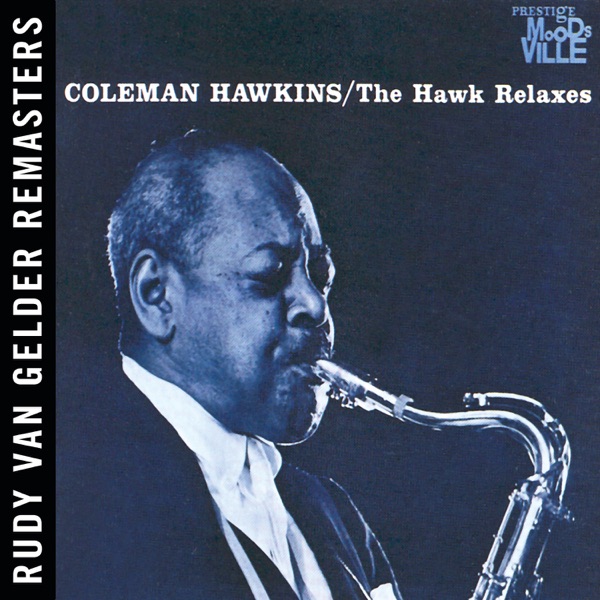
The Hawk Relaxes 1961
The musicians on this record

Introducing Kenny Burrell 1956
Kenny Burrell
plays guitar here
plays guitar here

Where? 1961
Ron Carter
plays double bass here
plays double bass here

Jazz Poet 1990
Tommy Flanagan
plays piano here
plays piano here
♫
All Mine and Yours 1989
Ray Bryant
plays piano here
plays piano here