1956 · Album
Introducing Kenny Burrell
Recorded 1956 · Blue Note Records · Produced by Alfred Lion

Detroit's Finest Arrives, Guitar in Hand
Burrell sounds completely at ease here, like someone who already knows exactly who he is.
Some debut albums sound like a musician figuring things out in public. Kenny Burrell's Introducing Kenny Burrell (1956) is not one of those. Burrell showed up to his first Blue Note date already fully formed — clean tone, unhurried phrasing, a bluesy warmth running underneath even the most uptempo moments. He was in his mid-twenties and playing like someone twice that age had already made all the rookie mistakes for him. This is a genuinely confident debut, not just a promising one.
The rhythm section around Burrell is sharp. Tommy Flanagan on piano is the ideal partner here — both men have that Detroit-school sensibility, relaxed but precise, never cluttering the space. The interplay on the uptempo tracks has a loose, after-hours feel that a lot of more polished sessions miss entirely. Burrell's tone on the ballads is warm without being syrupy, and he never overplays. If anything, what's striking is how much he accomplishes by leaving room.
Where this sits in Burrell's catalog is worth saying plainly: it's a strong debut, but not the album most people reach for first. That would come later with Midnight Blue (1963), which has Stanley Turrentine adding muscle and a bluesier edge. Introducing Kenny Burrell is more of a straight-ahead showcase — Burrell the elegant guitarist rather than Burrell the bluesman. If you already love his later work and want to hear where it came from, this is genuinely worth your time. If you're brand new to him, Midnight Blue is probably the better entry point. But this one holds up, and there's something satisfying about hearing a musician arrive this ready.
Who's playing
Where next?
More by Kenny Burrell
All 44 albums →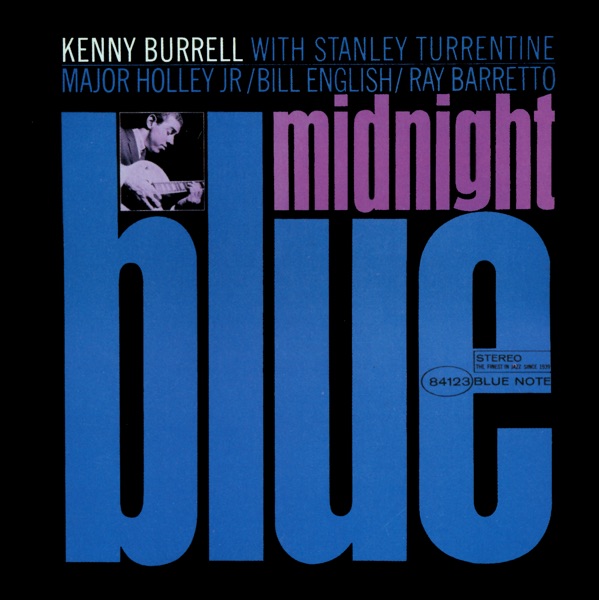

The musicians on this record
Their own records, close in time