1963 · Album
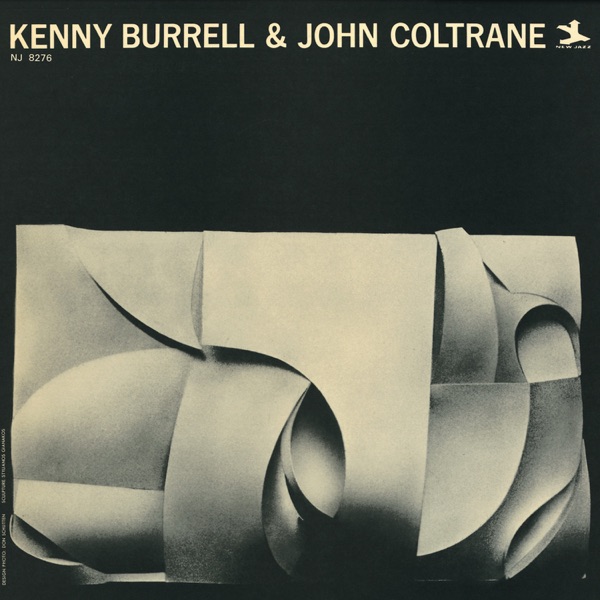
Kenny Burrell & John Coltrane
Recorded March 7, 1958 · New Jazz · Produced by Esmond Edwards
Two Giants, One Afternoon, No Fuss
Burrell and Coltrane together prove that restraint and fire are not opposites.
By March 1958, John Coltrane was already starting to scare people — in the best way. He had done his time with Miles Davis, and the sheets-of-sound thing was becoming his calling card. So it's genuinely interesting to hear him on Kenny Burrell & John Coltrane (1963), where the whole vibe is warm and unhurried rather than combustible. Kenny Burrell sets the tone here. He's a guitarist who never oversells a note, and that sensibility pulls Coltrane into something a little more conversational than you might expect from him at this stage of his career. This isn't Coltrane pushing limits — it's Coltrane playing well with others, and he sounds like he's enjoying it.
The rhythm section matters a lot on a record like this. Tommy Flanagan on piano is exactly the right choice — tasteful, swinging, never crowding anyone. The group also includes Paul Chambers on bass and Jimmy Cobb on drums, and together they keep things moving without any showboating. This was actually the second time Burrell, Coltrane, and Flanagan recorded together in a small group — they had done The Cats about eleven months earlier, so there's a familiarity here that shows. Nobody is feeling each other out. They already know how to share space.
The album sat in the can for five years before New Jazz released it in April 1963, by which point Coltrane had become a very different artist. That gap makes the record feel a little like a time capsule — a quieter, bluesier version of Coltrane that casual listeners might not know exists. It was later reissued on Prestige under a different title, but the music didn't change. It's a solid, satisfying session that rewards repeat listens without demanding them.
Who's playing
Paul Chambersdouble bass
Tommy Flanaganpiano
Kenny Burrellguitar
John Coltranetenor saxophone
Jimmy Cobbdrums
Where next?
More by Kenny Burrell
All 44 albums →

The musicians on this record

A Love Supreme 1965
John Coltrane
plays tenor saxophone here
plays tenor saxophone here

The Magnificent Tommy Flanagan 1960
Tommy Flanagan
plays piano here
plays piano here


