Detroit Soul in Kenny's Guitar
Burrell brings the blues and swing of his hometown to every note, playing with the directness that defines his best work.
Kenny Burrell made this record when he was already established on the major labels, comfortable enough to dig into the sounds that shaped him as a young musician in Detroit. The album has the feel of a homecoming — not sentimental, but rooted. Burrell plays with the kind of clarity and purpose that comes from knowing exactly what you want to say. The guitar work here draws on the influences he's acknowledged over the years: the blues language of T-Bone Walker and Muddy Waters comes through in his phrasing, while the jazz vocabulary he learned from Charlie Christian, Oscar Moore, and Django Reinhardt gives it sophistication and swing.
What makes this different from some of his work on the prestige and Blue Note labels is the emphasis on the blues foundation underneath everything. Burrell doesn't play bebop over a blues form — he plays blues, with all the particular bends and timing that requires. His tone is warm and direct, never flashy. He lets the melodies breathe. The band is tight and responsive, and there's a sense of conversation rather than virtuosity for its own sake.
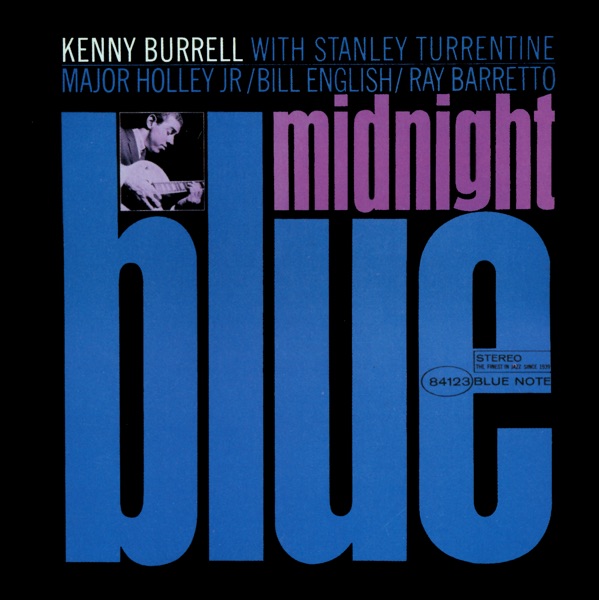
This isn't the album to start with if you're new to Burrell — Midnight Blue (1963) is the place to begin. But for listeners who already know his work, this is one of his stronger records, valuable precisely because it stays true to what he does well rather than reaching for something bigger. The musicianship is honest and the playing is clean. That's enough.
Who's playing
Paul Chambersdouble bass
Tommy Flanaganpiano
Kenny Burrellguitar
Pepper Adamsbaritone saxophone
Kenny Clarkedrums
Where next?
More by Kenny Burrell
All 44 albums →

The musicians on this record
Their own records, close in time