Prez at His Most Relaxed and Swinging
Young's tone here is unhurried and conversational, like he's telling you a story over drinks.
Lady Be Good catches Lester Young in his element—playing tenor saxophone with a looseness and confidence that makes everything sound effortless. This isn't Young trying to prove anything. He's past that point in his career, and it shows in the way he phrases, the way he lets space breathe around his lines, the way he seems more interested in saying something true than in showing off technique.
The album sits right in Young's wheelhouse as a small-group jazz player. He's working with solid rhythm section support, and the tunes are standards he knew inside and out. What makes this recording work is Young's refusal to overplay. His tone is warm and slightly breathy, and he takes his time with melodies, bending them slightly, letting notes fall where they naturally want to go. This is the swing style at its most human—no rush, no unnecessary notes, just a musician thinking clearly and playing what he means. The title track itself is unhurried; Young doesn't speed through it, doesn't chase anything.
If you're new to Young, this is a good entry point, though his earlier records from the late 1930s and 1940s have sharper edges and more heat. Lady Be Good shows you a mature player who had nothing left to prove, which is its own kind of confidence. It's not his most essential work, but it's genuinely enjoyable—the sound of someone who could still swing hard but chose to do something quieter and more considered instead.
Who's playing
Where next?
More by Lester Young
In Washington, D.C. 1956, Volume One 1956
Pres and Sweets 1955
Le Dernier Message de Lester Young 1959
In Washington, D.C. 1956 Volume Two 1956
The musicians on this record
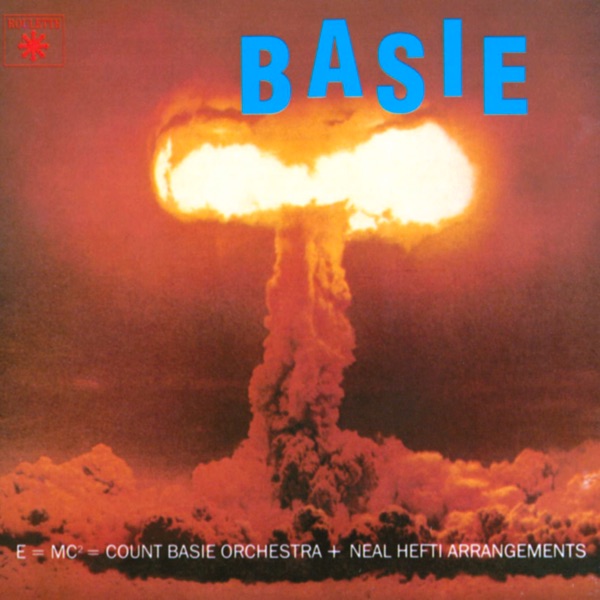
The Atomic Mr. Basie 1958
Count Basie
plays piano here
plays piano here

Percussion and Bass 1960
Jo Jones
plays drums (drum set) here
plays drums (drum set) here