
Lester Young Swinging with the Giants
Young plays with the ease of someone who'd already said everything he needed to say.
The Jazz Giants '56 came out on Verve Records in 1956, late enough in Lester Young's career that he'd earned the right to play exactly how he wanted. By this point Young had already shaped modern tenor saxophone — the sound was his, the approach was his, and there was no need to prove anything to anybody. What you get here is a saxophonist playing alongside other musicians who understood the same language, the same relaxed swing that didn't have to announce itself.
The album captures Young in a straightforward setting where the focus stays on what he does best: phrasing that sits just behind the beat, a tone that sounds almost conversational, a way of spinning out ideas that makes complicated things sound simple. There's no strain here, no attempt to sound younger or fiercer than he was. The sessions have the feel of experienced players getting together and playing because that's what they do. The recording quality is clean enough that you can hear exactly what's happening — no mystery, no studio tricks, just the sound of the music happening in the room.
This isn't a peak-period record in the way his 1940s work was, but it's solid and honest, the kind of album that shows why musicians kept wanting to play with Young no matter what decade it was. It matters less as a historical turning point and more as proof that even late in a career, when someone has truly mastered their instrument, there's still something worth hearing.
Who's playing
Gene Rameydouble bass
Teddy Wilsonpiano
Freddie Greenguitar
Lester Youngtenor saxophone
Roy Eldridgetrumpet
Vic Dickensontrombone
Jo Jonesdrums
Where next?
More by Lester Young
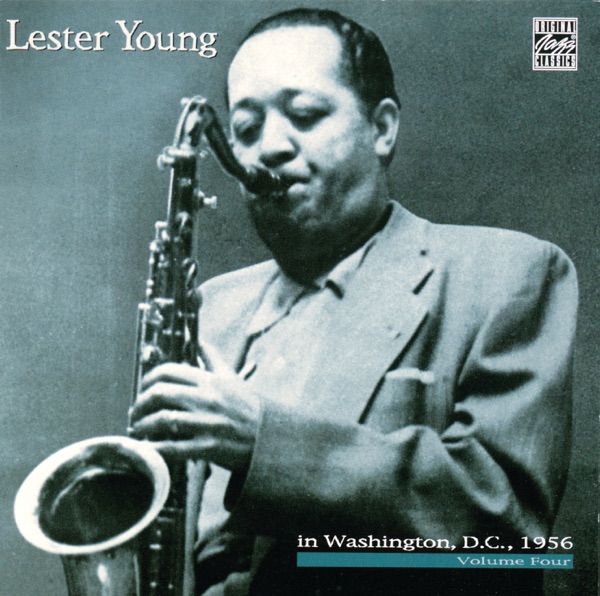
In Washington, D.C. 1956, Volume One 1956
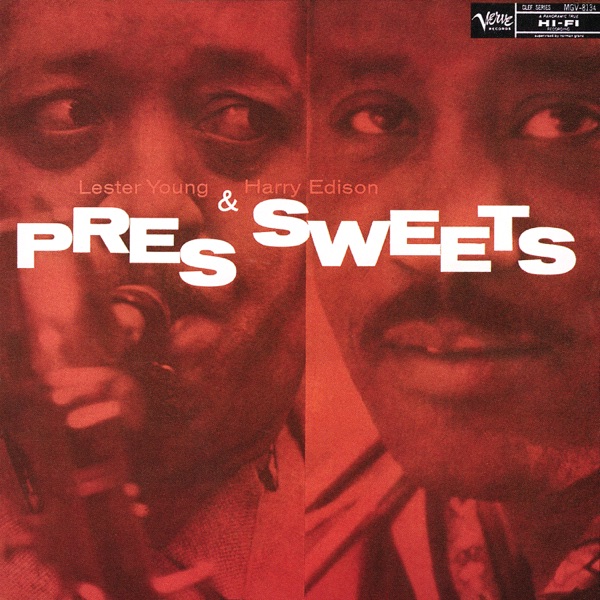
Pres and Sweets 1955
Le Dernier Message de Lester Young 1959
In Washington, D.C. 1956 Volume Two 1956
The musicians on this record

The Art Tatum - Roy Eldridge - Alvin Stoller - John Simmons Quartet 1955
Roy Eldridge
plays trumpet here
plays trumpet here

Mr. Rhythm 1956
Freddie Green
plays guitar here
plays guitar here

Jo Jones Trio 1959
Jo Jones
plays drums (drum set) here
plays drums (drum set) here



