Album
Four Classic Albums (Second Set)
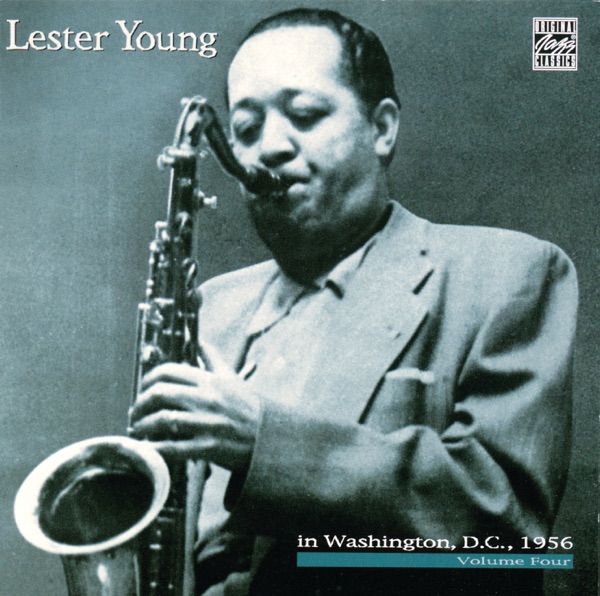
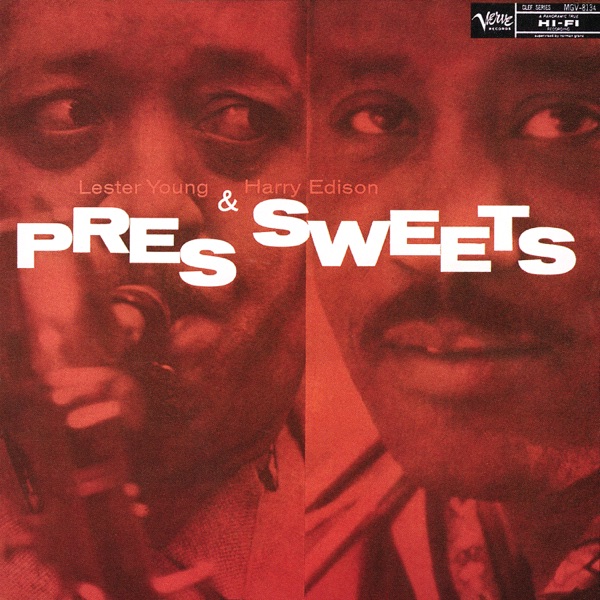
Artist: Lester Willis Young, nicknamed "Pres" or "Prez" · Instrument: Tenor saxophonist and occasional clarinetist
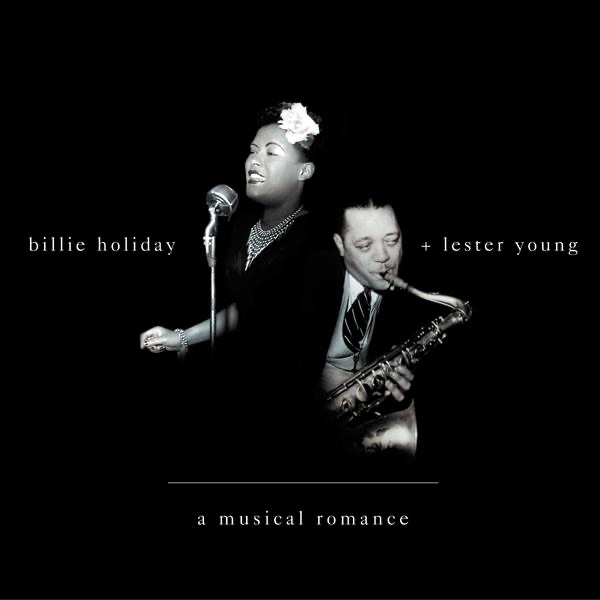
Pres in Prime Form: The Second Set Arrives
Young's tenor cuts through with that signature breathy tone, unhurried and precise, exactly what made him essential.
By the time these sessions were recorded, Lester Young had already reshaped what a tenor saxophonist could sound like. The 'Pres'—as he was known to everyone who mattered in jazz—played differently than the heavyweights who came before him. Where others pushed hard and voiced thick, Young floated his lines, played with space and air, let the melody breathe. Four Classic Albums (Second Set) collects four separate recording projects, each one showing different sides of how he worked.
The value of a compilation like this is that you get to hear Young across contexts without the weight of a single narrative arc. Some tracks find him in small group settings where his tenor can really speak; others put him in larger arrangements where his tone still cuts through but the surroundings are richer. His occasional clarinet work appears too, a reminder that he could shift instruments without losing that core sound. The playing is consistent—poised, intelligent, never wasteful. Young doesn't dazzle you with technique for its own sake; he says what he means and stops. For listeners who know his earlier work, this set represents him at a point where his style was fully formed and completely confident.
This is worth hearing if you want to understand why Young mattered so much to musicians who came after him. The direct approach, the economy of phrasing, the way he could make a ballad sit without sentimentality—these were lessons. The album works best for someone already curious about Young rather than as an entry point; if you're just starting, Pres (1956) or his earlier Blue Note sides offer better single-album introductions. But if you know his work and want a broad survey of how he sounded across different projects and contexts, this collection delivers that efficiently.