1967 · Album
Sweet Rain
Recorded 1967 · Verve · Personnel: Stan Getz (tenor saxophone), Chick Corea (piano), Ron Carter (bass), Grady Tate (drums)

Getz Finds New Fire With a Restless Young Rhythm Section
Getz plays with searching, aching passion, balanced against his customary loveliness and lyricism.
Sweet Rain captures Stan Getz stepping deliberately away from the bossa nova sound that had defined him, surrounding himself with musicians young enough to pull him somewhere unfamiliar. Chick Corea, just 25, brought a restless intelligence to the piano chair, and Ron Carter and Grady Tate formed a rhythm section with enough harmonic sophistication and forward momentum to keep Getz honest. The saxophonist responds throughout with genuine searching — not playing it safe, but probing into ballads and standards with an intensity that sounds almost startled by what he's discovering.
What makes Sweet Rain (1967) work is the balance Huey identifies: the advanced harmonic language and rhythmic push from the younger men never overwhelms Getz's fundamental gift for mood and pacing. On slower pieces, his tone remains warm and unhurried, but there's an edge underneath it, a willingness to bend into dissonance rather than retreat into comfort. The musicianship is clean and purposeful, the kind of session where everyone in the room understood what the others were reaching for.
This is Getz at a turning point — not quite the elder statesman but finished with one chapter, testing what comes next. The record found serious appreciation immediately; it stands as one of his strongest late-period statements, proof that he could evolve without sounding uncertain. For listeners who know Getz mainly through his bossa nova work, this offers a different angle on his artistry entirely.
Who's playing
Where next?
More by Stan Getz
All 36 albums →


The musicians on this record
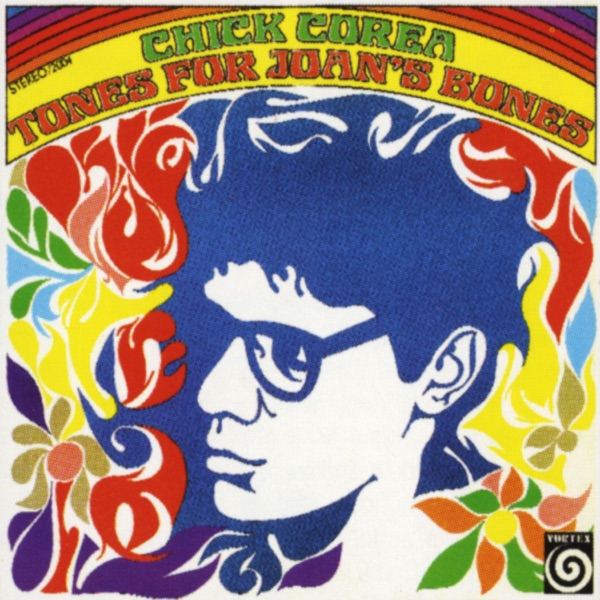
Tones for Joan's Bones 1968
Chick Corea
plays piano here
plays piano here
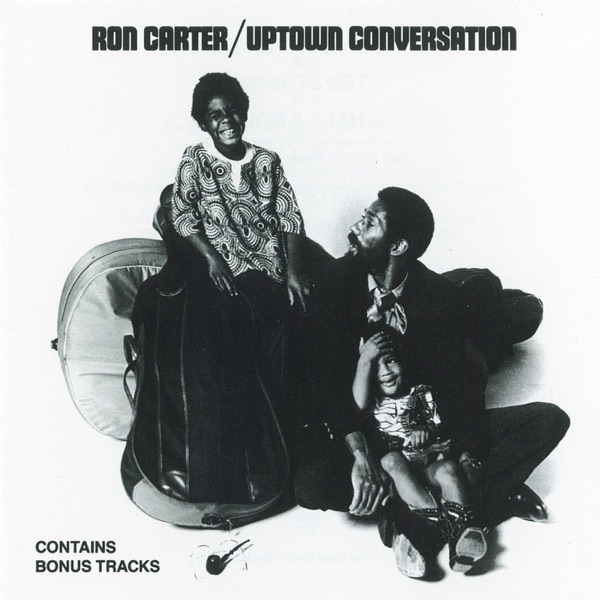
Uptown Conversation 1969
Ron Carter
plays double bass here
plays double bass here


