1961 · Album
Recorded Fall '61
Recorded Fall 1961 · Verve Records · Produced by Norman Granz

Autumn Refinement: Getz in Contemplative Form
Getz sounds relaxed and inquisitive here, letting the songs breathe rather than chasing virtuosity.
By fall 1961, Stan Getz had already established himself as one of jazz's most lyrical tenor saxophonists, but this session finds him in a quieter, more introspective mood than some of his more celebrated work. There's no flashiness here—no need for it. Instead, what you hear is a player confident enough to sit inside the music and listen to his companions. The rhythm section locks in with understated precision, giving Getz space to stretch a phrase or sit back and let a melody breathe. Tracks move with an easy swing that feels less like a race and more like a conversation between people who trust each other.
What makes this recording stand out from Getz's catalog is its refusal to overwhelm. You won't find the same urgency that defined some of his earlier sessions, nor the pop-inflected smoothness that would come later. Instead there's a middle ground—serious jazz for serious listeners, played with craft but without pretension. The ballads especially benefit from this restraint; Getz's tone is warm and direct, never swimming in reverb or sentiment. His bebop-inflected lines on the faster pieces show he hasn't lost any technical ability, but he seems more interested in serving the song than proving a point.
This album sits comfortably in Getz's middle period, neither a starting point for newcomers nor a footnote in his discography. If you've already heard his most famous work and want to understand his range, this is worth seeking out. It's the kind of record that rewards repeated listening—nothing jumps out immediately, but the more time you spend with it, the more you appreciate the subtlety of what's happening. Getz made plenty of records that aimed higher, but few that aimed truer.
Who's playing
Where next?
More by Stan Getz

Jazz Samba Encore! 1963

Focus 1961

Stan Getz & Bill Evans 1960
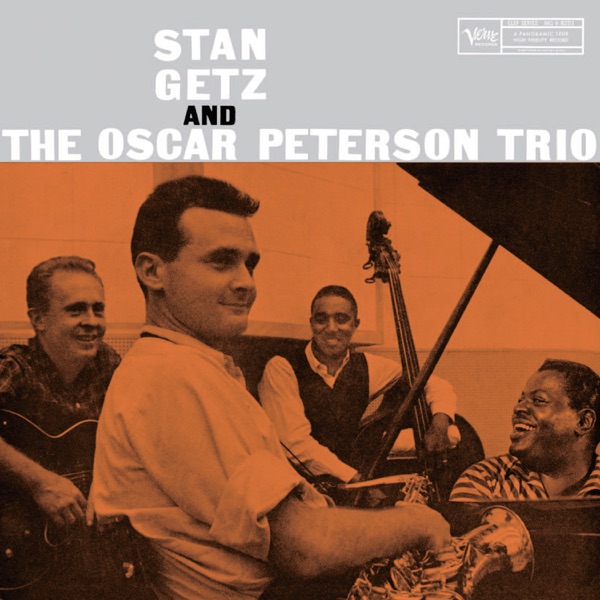
Stan Getz and The Oscar Peterson Trio 1957
The musicians on this record
Their own records, close in time