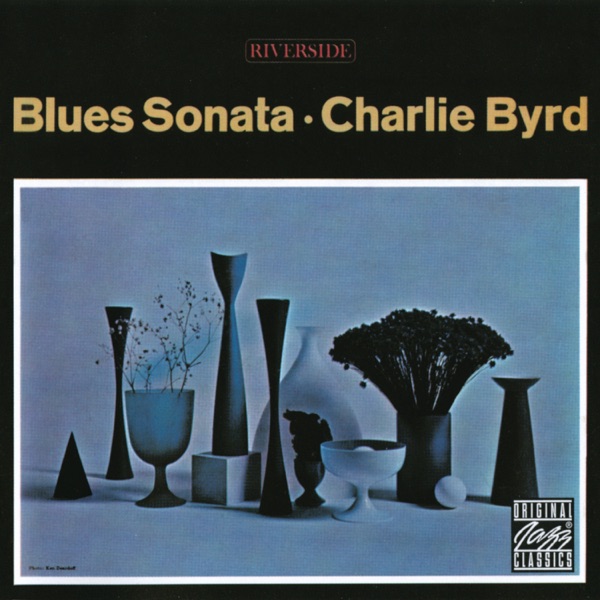
Barry Harris and Charlie Byrd's Quiet Blues Conversation
Harris and Byrd move through these blues changes with the kind of ease that comes from real musical understanding.
The first thing you notice on Blues Sonata is how Barry Harris plays. He doesn't rush. On a session like this, a pianist could easily dominate or try to prove something, but Harris sits into the blues pocket with Charlie Byrd's guitar and lets the conversation happen. He comps cleanly, solos with purpose, and seems genuinely interested in what Byrd is thinking. That restraint is what makes this record work.
Byrd was known for his classical technique and his later work in bossa nova, but here he's just a blues player — a good one, honest about the idiom. Keter Betts on bass and Buddy Deppenschmidt on drums give the session a working trio feel, unhurried and direct. These are blues standards and originals, nothing fancy in concept, but the execution matters. Harris's touch keeps everything human. You can hear each musician's instrument clearly, which isn't automatic on 1961 sessions. The session works because nobody is trying to transcend anything; they're just playing blues well together.
The album originally appeared on Washington Records with limited reach before Riverside picked it up and gave it proper distribution. It's not Byrd's most famous work, and it doesn't try to be. If you're coming to Byrd fresh, start with his bossa nova material. But if you already know his range and want to hear him in a stripped-down trio setting with a pianist who understands how to listen, this delivers something real.
Who's playing
Where next?
More by Charlie Byrd

Bossa Nova Pelos Passaros 1992
Blues for Night People 1957

Mr. Guitar 1962

Onda Nueva: The New Wave 1972
The musicians on this record
Their own records, close in time


