Where do you listen?
Choose your streaming service
inside the sleeve
Loading…
inside the sleeveITS
⌕
Read About
Tenor Saxophone - USA / France - Hard Bop

Johnny
Griffin

Start here A Blowin' Session (1957) →
1928 - 2008, Chicago, USA

Johnny Griffin played tenor saxophone faster than almost anyone alive, and he made it look easy, which is the most annoying part. He spent the better part of three decades living in Europe, where he was treated like the serious artist he was, and the records he made there are some of the most exciting hard bop you can find. If you want to understand what a tenor saxophone can actually do at full throttle, Griffin is your guy.

Hard Bop
Johnny Griffin

The Little Giant Cuts Loose

Griffin grew up in Chicago and came up through the kind of apprenticeships that made players tough — time with Lionel Hampton's band as a teenager, then stints with Art Blakey and Thelonious Monk. By the time he started recording as a leader in the mid-1950s, he already sounded like himself: a big, round tone, almost incongruously warm for someone who played with such relentless speed. He got the nickname "The Little Giant" because he was a compact guy who produced an enormous sound, and it stuck because it actually fit.

The Riverside records from the late 1950s are where most people start, and reasonably so. A Blowing Session (1957) is the one to grab first — Griffin playing alongside John Coltrane and Hank Mobley in a session that feels genuinely competitive in the best possible way. Nobody is posturing. They are all just playing as hard as they can, and Griffin holds his own against Coltrane at a moment when Coltrane was becoming Coltrane. That tells you something.

His tenure with Thelonious Monk's quartet in the late 1950s is criminally underappreciated. Griffin's thick, bluesy attack worked surprisingly well against Monk's angularity. He did not try to smooth Monk out or play around the odd corners of the compositions — he leaned into them. The live recordings from that period have an electricity to them that studio dates rarely capture.

In 1963, Griffin moved to Europe, settling eventually in Paris and later the Netherlands. This is where the story gets complicated for American audiences, because a lot of his best European work never got wide distribution back home. He recorded prolifically for minor labels, played festivals constantly, and built a reputation that in Europe approached something close to reverence. Records like The Little Giant (1959) had already established the template, but the European years gave him the freedom to stretch without commercial pressure. The Kenny Clarke/Francy Boland Big Band recordings he contributed to during this period are worth hunting down separately.

If you are coming to Griffin cold, just know that speed alone is not the point. Plenty of players are fast. Griffin was fast and swinging and funny — there is a playfulness in his phrasing that keeps even his most technically demanding runs from feeling like exercises. He sounds like someone who genuinely enjoys playing, which sounds obvious but is rarer than you'd think. He came back to the States occasionally but never really left Europe again, and when he died in France in 2008, it felt like the end of a particular kind of jazz era that had been quietly going on over there without much American fanfare.

Facts
BornApril 24, 1928, Chicago, Illinois, USA
DiedJuly 25, 2008, Availles-Limouzine, France
InstrumentTenor Saxophone
Active1945 – 2008
Known forBlistering speed, warm tone, collaborations with Monk and Blakey, decades of European recording
Connections
Thelonious MonkBandleader, New York City
→
Art BlakeyBandleader / Mentor, New York City
→
John ColtranePeer / Recording Partner, New York City
→
Read more

Discography

43 records
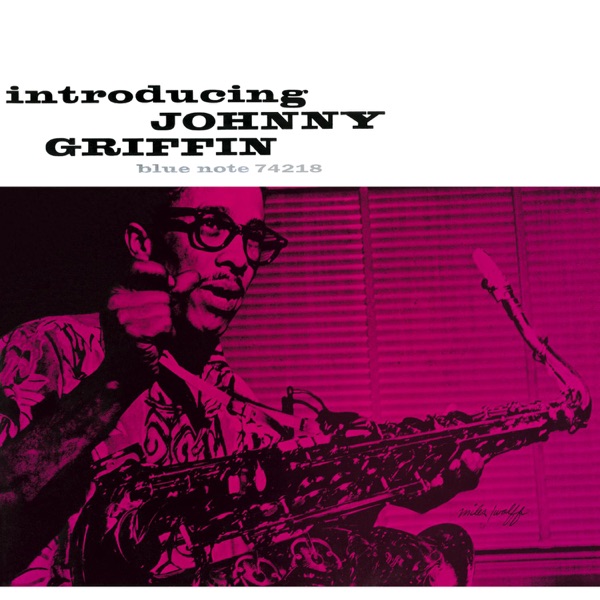
Introducing Johnny Griffin
1956
A Blowin' Session
A Blowin' Session
1957
In & Out
In & Out
1958
♫
Branching Out
1958
Way Out!
Way Out!
1958
Johnny Griffin Sextet
1958
The Congregation
The Congregation
1958
The Little Giant
The Little Giant
1959
Tough Tenors
Tough Tenors
1960
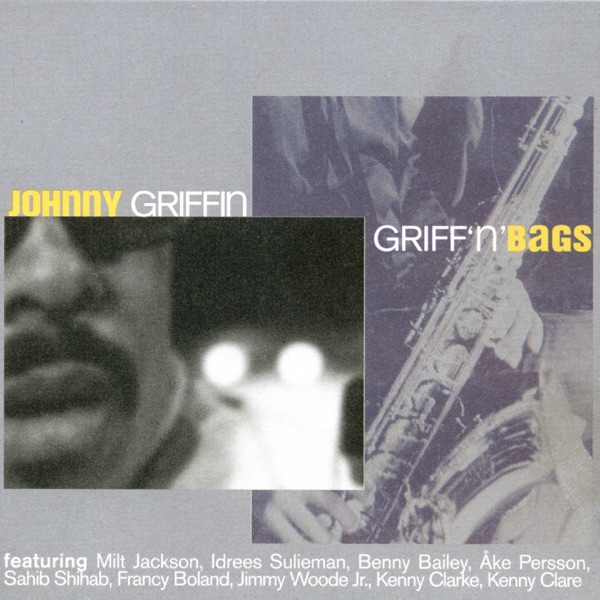
Griff'n'Bags
Griff'n'Bags
1960
Studio Jazz Party
Studio Jazz Party
1960
♫
White Gardenia, Johnny Griffin With Strings and Brass: A Tribute to Billie Holiday
1961
Live at Minton's
Live at Minton's
1961
Lookin’ at Monk!
Lookin’ at Monk!
1961
♫
Glidin' Along
1961
Change Of Pace
Change Of Pace
1961
The Tenor Scene
The Tenor Scene
1961
Thelonious in Action
1961
Tough Tenors Back Again!
1961
Tough Tenor Favorites
1962
Grab This!
Grab This!
1962
♫
The Kerry Dancers
1962
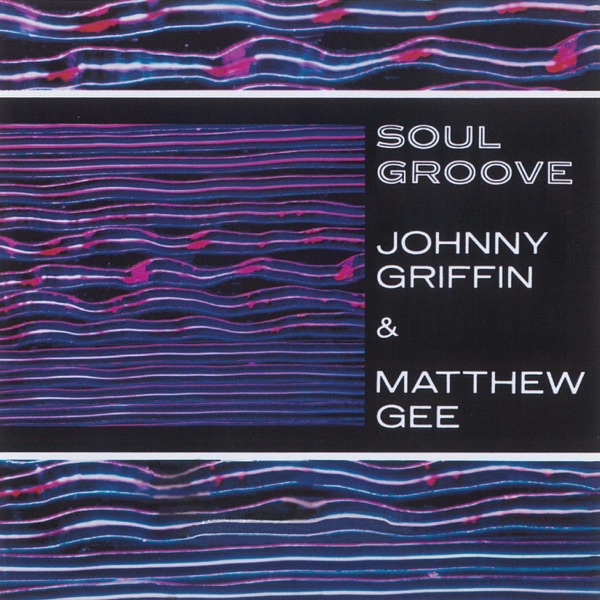
Soul Groove
Soul Groove
1963
♫
Live! The Midnight Show
1964
♫
Vivaldi's Four Seasons In Jazz
1966
Lady Heavy Bottom’s Waltz
1968
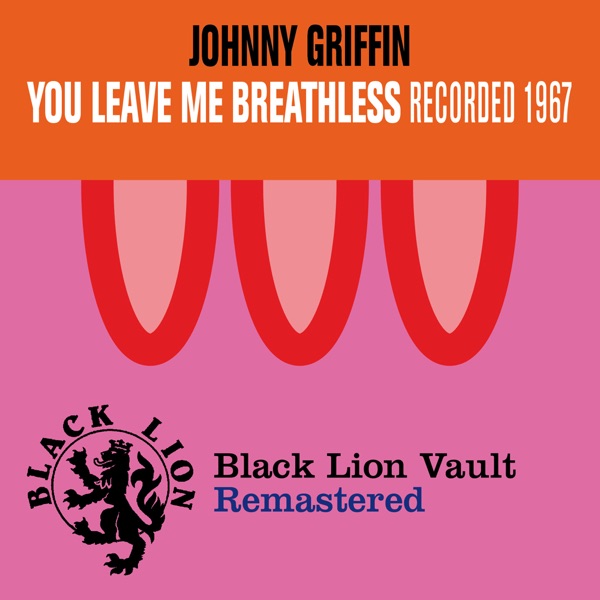
You Leave Me Breathless
1972
♫
Doldinger Jubilee Concert
1974
♫
Doldinger Jubilee ’75
1975
Return of the Griffin
1979
♫
Master of Sax
1979
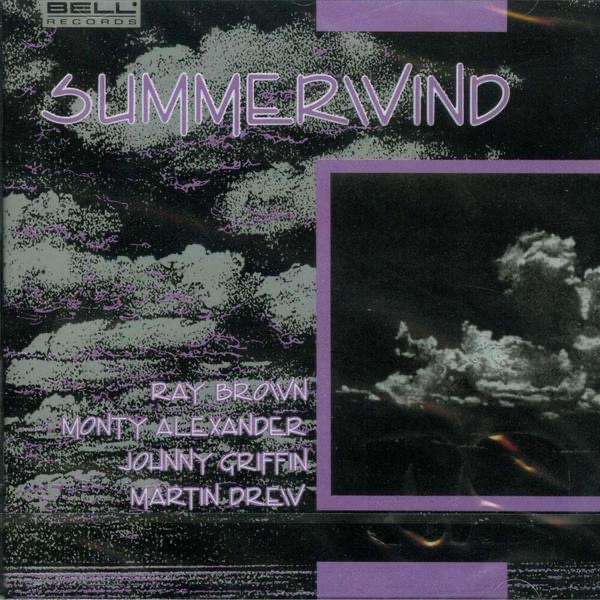
Summerwind
Summerwind
1981
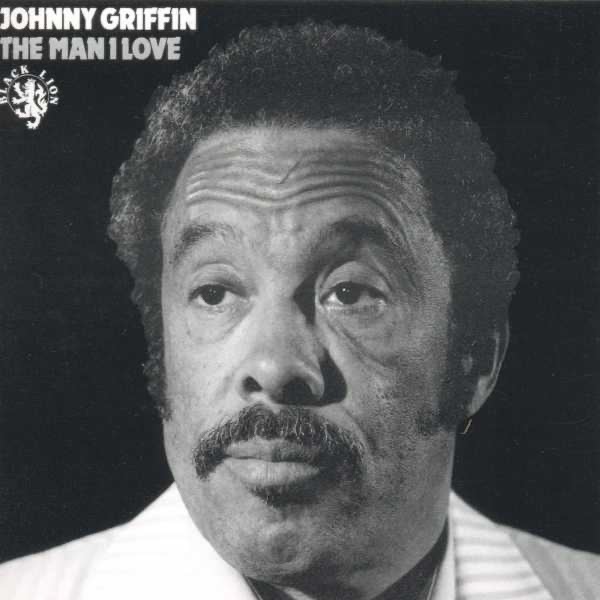
The Man I Love
The Man I Love
1988
Take My Hand
Take My Hand
1988
♫
Continent bleu
1989
Passion, No Future, but Love
1989
Unpretentious Delights
1992
Chicago, New York, Paris
1995
In Copenhagen
In Copenhagen
1998
♫
Blue Stroll
1999
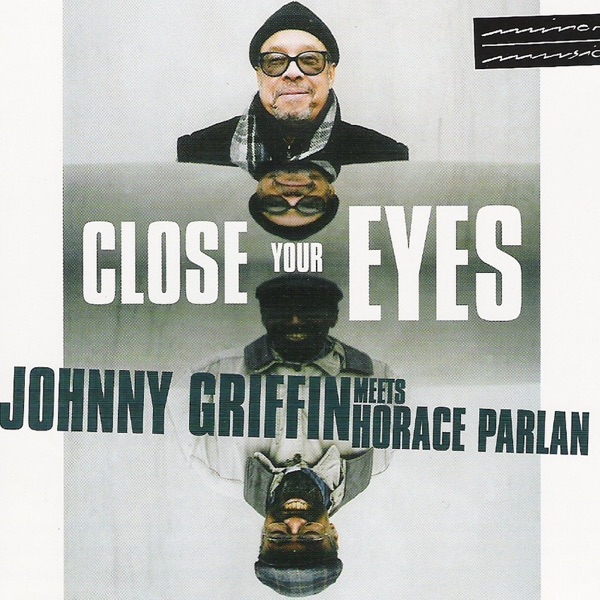
Close Your Eyes
Close Your Eyes
2000
Summerwind II
Summerwind II
2000
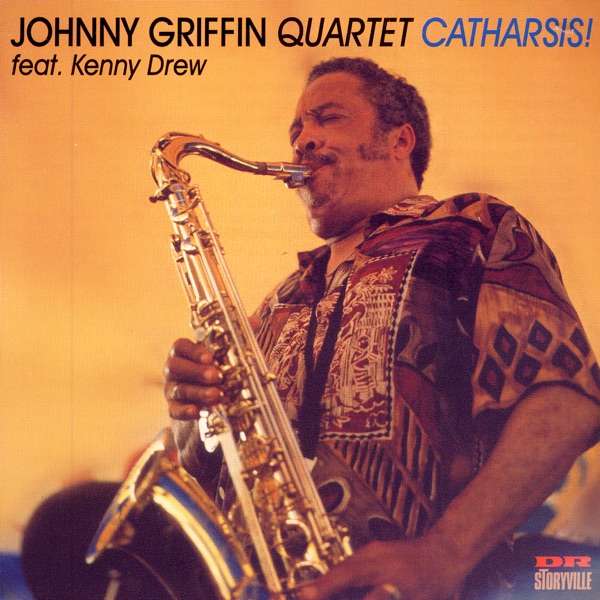
Catharsis!
Catharsis!
2000

Collaborations

Live on Youtube

Explore Further

Selected connections
Tenor Saxophonist, USA
Hank Mobley
Griffin's labelmate on Riverside and fellow participant on A Blowing Session — Mobley's more relaxed, conversational style is a good contrast to Griffin's intensity.
Explore →
Album, 1957
A Blowing Session
The record where Griffin, Coltrane, and Mobley all share the same front line. It is one of the most direct comparisons you can make between three very different approaches to the same horn.
Explore →

Who's playing
Listen next
Recording Info
Track listing
Musicians
Further Reading
Read more

Where next?

More by this artist

Albums with the same musicians

From the same era

Similar artists

inside the sleeve
Growing
Jazz, explained without pretension.
Read · Follow the connections · Press play
Right now: 7,100+ albums · 440+ artists
Start here
New to jazz? These artists are good places to start.
Loading…
Explore
Nine records worth getting lost in.
Born today
Album of the day
A landmark record, every day.
Read
  • Loading…
Article archive →
Recently added
Purpose
Inside the Sleeve is your companion on a journey through jazz — not a textbook, but something closer to a knowledgeable friend sitting next to you while you listen. Read about an artist, press play, follow a connection, discover an album you didn't know you needed.
Suggestions
Read

Articles

Essays, guides, and lists about jazz and the records that matter.

Loading…

Genre

Key Artists
Further Reading

Essential Albums

Related Genres

In This Genre

About

Inside the Sleeve

Work in progress

Inside the Sleeve grows continuously — new artists and albums are added, essays refined, as visitors explore and our editors follow up on what they find. Content, features, and design are still evolving; use the Report error button on any page to flag something that seems off.

Content

Every artist, album, and release date on Inside the Sleeve is real — verified against trusted sources including MusicBrainz and Wikipedia. We don't invent discographies or fabricate records. AI compiles that verified information into readable prose — essays on artists, albums, and the music itself. We can't manually review every essay before publishing, but every reported error is checked by a human editor.

Inside the Sleeve is not a review site. We're not here to rate or rank — we're here to guide you in. Where an album stands out, we'll say so. Where an artist changed everything, you'll know why. But we won't tear anything down. Jazz history is complex and sources sometimes disagree — if you spot something that seems off, please report it.

Streaming

Inside the Sleeve links to Spotify and Apple Music so you can listen while you read. These are not affiliate links. For Spotify, links open a search on open.spotify.com — we do not have direct links to specific recordings. For Apple Music, direct links are used where available, otherwise a search is opened.

Your choice of streaming service is stored locally in your browser only. It is never sent to our servers.

We're working on deeper Spotify integration, including direct links to specific recordings.

Privacy

Inside the Sleeve does not collect personal data and does not use cookies. We count page visits anonymously using a self-hosted analytics tool — no personal identifiers are stored, and the data never leaves our own server. The only preference stored on your device is your streaming service choice, saved locally in your browser and never transmitted.

When you submit a suggestion or error report, the text you write is stored in our database. No name or email is required or collected unless you choose to provide one.

Third-party services

Spotify and Apple Music are independent services with their own terms of use and privacy policies. Inside the Sleeve is not affiliated with or endorsed by either company.

Support

Inside the Sleeve is free and ad-free. If you enjoy it, a coffee helps cover server costs and keeps the project going.

Amazon

Some book recommendations on Inside the Sleeve link to Amazon. Buying through these links costs you nothing extra — but Amazon pays us a small commission, which goes directly towards keeping the site running. It's a simple way to support the project if you were going to buy the book anyway.

As an Amazon Associate, Inside the Sleeve earns from qualifying purchases.

Questions or feedback? Use the suggestion box on the front page.

Inside the Sleeve — A guide for those who want to go beyond the obvious About & Privacy