Two Horns in Conversation, Trading Breath
Griffin and Gee lock into grooves that feel less arranged than discovered, born from listening hard to each other.
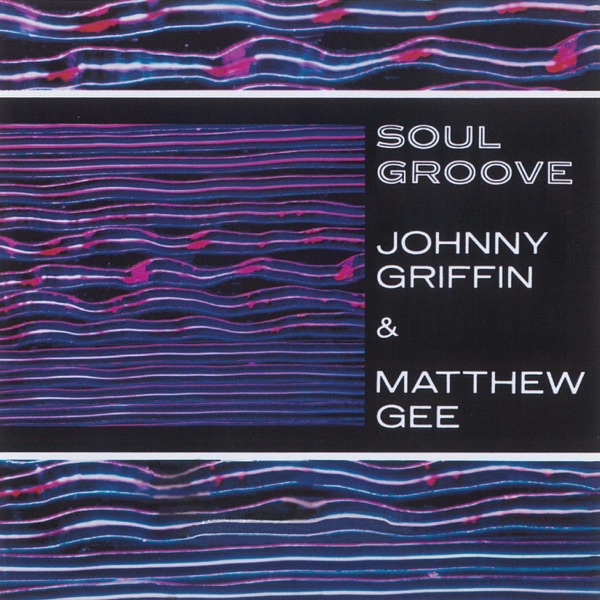
The first thing that hits you is the immediacy of it — Johnny Griffin's tenor sax and Matthew Gee's trombone trading phrases so close together they almost overlap, like two people talking over each other because they can't wait to respond. There's no distance here, no sense of a horn section being overdubbed or recorded separately. This is two musicians in a room, listening and reacting in real time. The rhythm section locks them in tight, and the whole thing moves with a relaxed intensity — not frantic, but present, awake. The grooves have meat on them without sounding heavy. Griffin's tone is sharp and intelligent; Gee's trombone slides and bends in ways that soften the sharpness without erasing it. They're playing soul jazz — the kind that doesn't announce itself as soul jazz, it just is. No flourishes, no reaching. The session feels like what happens when two musicians who trust each other get into a studio and play the music they actually want to play. This isn't Griffin exploring new territory or Gee stepping into unfamiliar ground. It's both of them doing what they do, and doing it well together. The album lands solidly in the middle of Griffin's career, solid session work recorded in 1963 that released on Atlantic. It's the kind of record that doesn't demand to be heard, but rewards you if you listen.
Who's playing
Aaron Bellbass
Johnny Griffintenor saxophone
Matthew Geetrombone
Johnny Pattonorgan
Hank Jonesorgan
Art Taylordrums
Carlos “Patato” Valdéspercussion
Where next?
More by Johnny Griffin
All 43 albums →


The musicians on this record
Their own records, close in time