
The Third Album as Proof of Concept
Griffin had found his voice on record, and The Little Giant shows a saxophonist fully in command.
By 1959, Johnny Griffin was no longer proving himself. He'd already released two albums for Riverside and built a reputation as one of the sharpest tenor players in jazz—fast, articulate, melodically inventive. The Little Giant is his third statement on the label, and it matters because it's where the formula clicks. This isn't a debut scrambling to find direction, nor a late-period revisitation. It's a working musician at the height of his powers on a particular label, with access to top-tier players, making a record that knew exactly what it wanted to be.
The album brings together an all-star sextet, and the strength of the music lies in Griffin's ability to lead without dominating. He plays with clarity and swing, articulating lines that could easily become muddy in faster tempos but instead land with precision. The material moves between standards and originals, allowing Griffin room to navigate different moods without losing focus. Critics at DownBeat recognized this balance, rating it 4.5 out of 5—strong enough to matter, honest enough to suggest this was a solid session rather than a watershed moment.
The Little Giant sits comfortably in Griffin's Riverside catalog as a professional peak: not his most adventurous record, not his most personal, but the clearest example of what he could do when the conditions aligned. It's worth hearing early in your knowledge of Griffin's work because it shows why he mattered to his peers and why the Riverside label kept calling him back.
Who's playing
Sam Jonesdouble bass
Wynton Kellypiano
Johnny Griffintenor saxophone
Blue Mitchelltrumpet
Julian Priestertrombone
Albert “Tootie” Heathdrums
Where next?
More by Johnny Griffin
All 43 albums →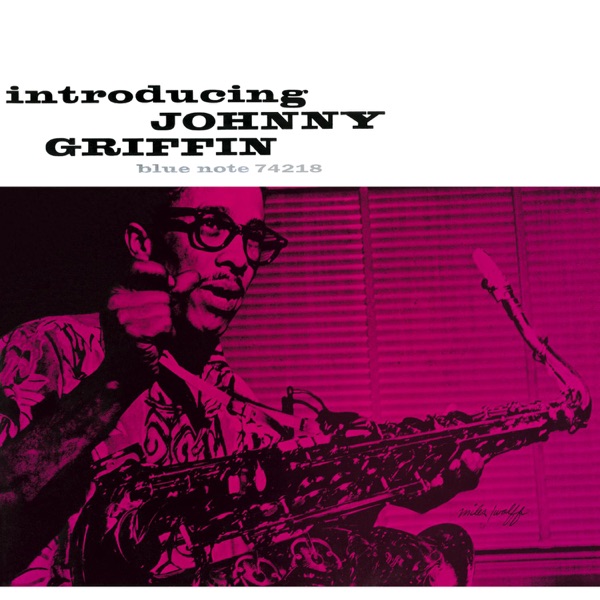


The musicians on this record

Kelly Blue 1959
Wynton Kelly
plays piano here
plays piano here
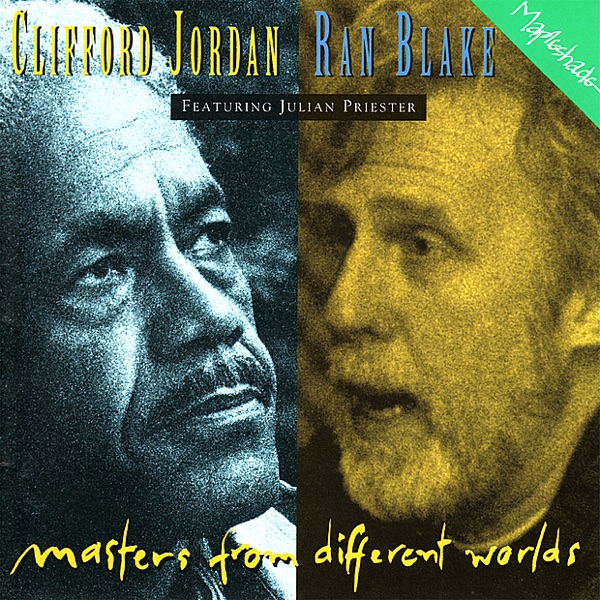
Masters From Different Worlds 1994
Julian Priester
plays trombone here
plays trombone here


