
Two Voices in Perfect Conversation
Griffin and Solal move together like they've been playing this music their whole lives.
The first thing you hear is air. Johnny Griffin's tenor saxophone enters with a warm, unhurried tone over Martial Solal's piano—no rush, no flash, just two musicians meeting at the same tempo and staying there. The rhythm section is lean, letting every note breathe. This isn't the hard-bop energy Griffin would become known for with Art Blakey's Jazz Messengers; this is something more intimate, almost conversational. Solal's touch on the keys is precise but never cold, matching Griffin's phrasing phrase by phrase.
The album captures Griffin early in his leadership, though it arrived late—recorded in 1956 but held until 1958, by which time Introducing Johnny Griffin (1956) had already reached listeners on Blue Note. By then Griffin had already made his mark as a sideman with the Jazz Messengers, so this Argo release wasn't his first appearance on record, but it was his first chance to lead. The intimacy of the two-horn format—saxophone and piano alone—means Griffin has nowhere to hide. Every phrase choice matters. Every breath is audible.
AllMusic reviewer Thom Jurek called it "a necessary addition to any shelf that pays Johnny Griffin homage," and that's fair. It's not the album to start with if you want to hear Griffin at his most energetic or inventive, but it shows a side of him that mattered: a musician who could swing with restraint, who could listen as much as he could solo, and who understood that sometimes the best conversation happens when you slow down and actually pay attention to what your bandmate is saying.
Who's playing
Martial Solalpiano
Johnny Griffintenor saxophone
Where next?
More by Johnny Griffin
All 43 albums →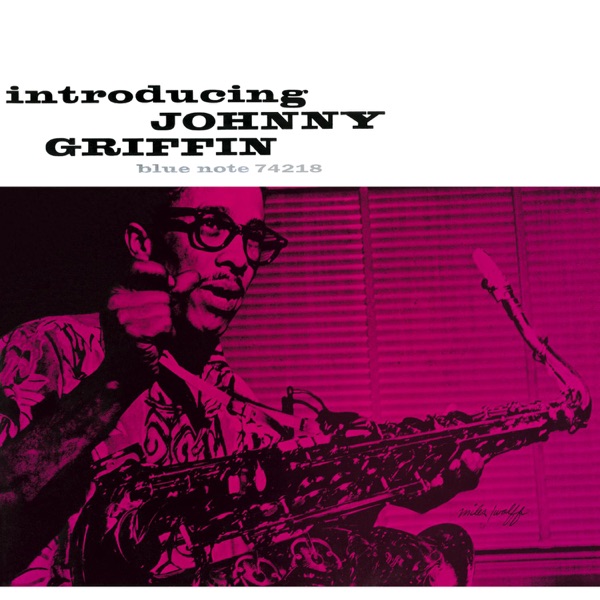


The musicians on this record
Their own records, close in time


