The Man Behind the Solo
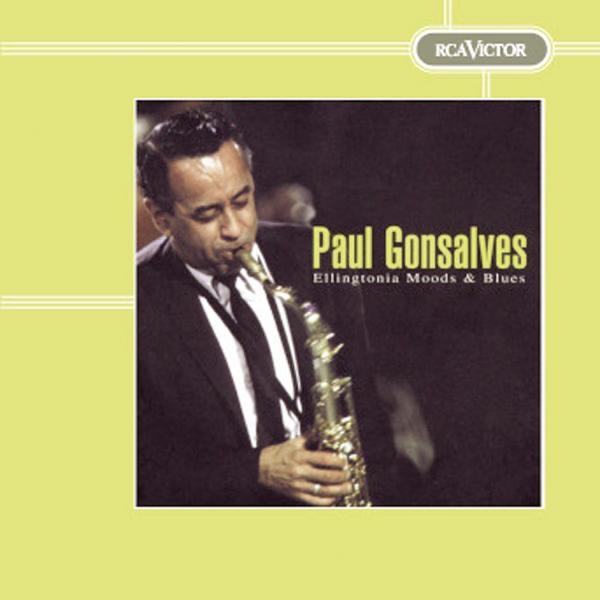
Gonsalves grew up in Massachusetts and came up through the big band world, spending time with Count Basie and Dizzy Gillespie before landing his long tenure with Duke Ellington starting in 1950. That Ellington gig would last, with a few interruptions, until his death. He was, by most accounts, the anchor of the Ellington saxophone section — the guy Ellington leaned on for both featured solo work and that rich, full sound in the ensemble. When you hear those Ellington recordings from the 1950s and 1960s where the band sounds particularly deep and connected, Gonsalves is usually a big part of why.
The Newport moment is worth actually describing if you haven't heard it. On a warm night in July 1956, during Ellington At Newport (1956), Gonsalves took a solo on a piece called Diminuendo and Crescendo in Blue and just kept going — twenty-seven choruses, with a woman reportedly dancing in the crowd and the audience coming completely unglued. It was the kind of moment that doesn't get manufactured. Ellington's band had been in a commercial lull, and that performance reignited public interest in a way nobody planned. But the danger is that the story becomes a sports highlight reel — you watch the clip and move on — when the actual playing deserves more attention than that.
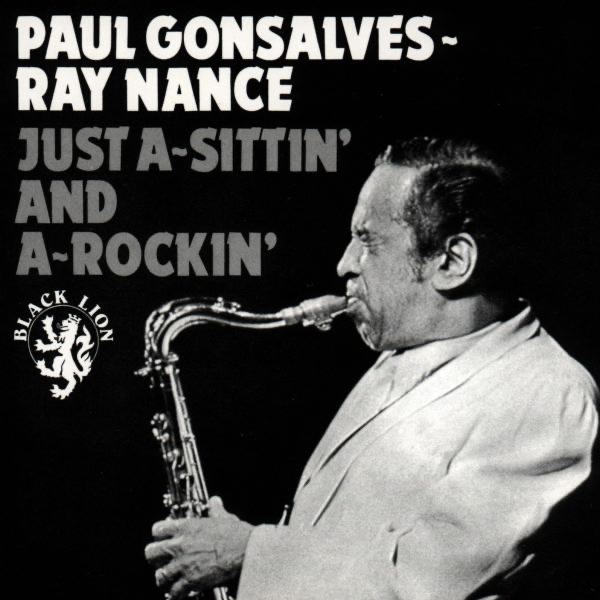
As a saxophonist, Gonsalves came out of the Coleman Hawkins and Ben Webster tradition rather than the cooler post-war style. He had a full, rounded tone, not the kind of lean sound you associate with bebop. He was influenced by Lester Young too, though — there's a relaxed quality to his phrasing even when he's playing hard. He could stretch over changes the way a bop player would, but he never lost that swing-era warmth. He's one of those players who didn't fit neatly into any era, which probably kept him from being treated as a star in his own right.
His small group recordings are where a lot of people discover there's more to him than the Ellington context. Records like Gettin' Together (1960) show him in a looser setting, just working through material with good rhythm section players, and you hear how naturally melodic he was. He wasn't a showboat. He built solos like he was having a conversation rather than making a speech. His ballad playing especially — slow, unhurried, with a tone that had real body to it — holds up as well as anything from that period.
Gonsalves struggled with personal problems throughout much of his life, and he died in 1974, just days before Ellington himself passed away. He never fully stepped out from under the Ellington umbrella in terms of reputation, which is a shame, because he was the kind of player who rewards repeated listening. If you know him only from Newport, go find one of his small group dates and spend some time with it. The fireworks are great, but the slow burn is better.