
Sonny Stitt's Restless Energy Meets Gonsalves' Tenor
Two saxophones, neither willing to back down, pushing each other into unfamiliar territory.
The pairing of Sonny Stitt and Paul Gonsalves on Salt and Pepper (1964) works because neither man plays it safe. Stitt arrives with his bebop pedigree and competitive fire—he was always the player who'd match any saxophonist note for note, idea for idea. Gonsalves brought something different: a deep, warm tone seasoned by years in Duke Ellington's band, where he'd learned to color a phrase with blues feeling and harmonic sophistication. What makes this album distinct is the tension between these approaches. Stitt's quicksilver lines and Gonsalves' more deliberate, soulful statements create actual conversation rather than parallel soloing.
This was Stitt's second and last record for Impulse!, following Now! the same year. The label was building a roster of hard-swinging modernists, and pairing two tenors was a natural draw. The material leans toward standards and blues heads—territory both men knew inside out—but the real content is in how they respond to each other. Stitt stays in his wheelhouse but sounds genuinely engaged rather than coasting. Gonsalves, meanwhile, doesn't try to out-hop the younger player; he leans into what made him valuable in Ellington's orchestra: the ability to deliver a complete solo idea with personality intact.
If you're coming to Stitt's discography, there are stronger records to begin with. But if you already know his work and want to hear him in real dialogue with a distinct voice—not a foil, not a lesser player, but someone with a completely different sensibility—this is worth seeking out. The album succeeds on its own terms: two professionals at ease with each other, playing material they understood, recorded cleanly so you can hear exactly what each one chose to say.
Who's playing
Milt Hintonbass
Hank Jonespiano
Paul Gonsalvestenor saxophone
Sonny Stitttenor saxophone
Osie Johnsondrums
Where next?
More by Paul Gonsalves
All 17 albums →

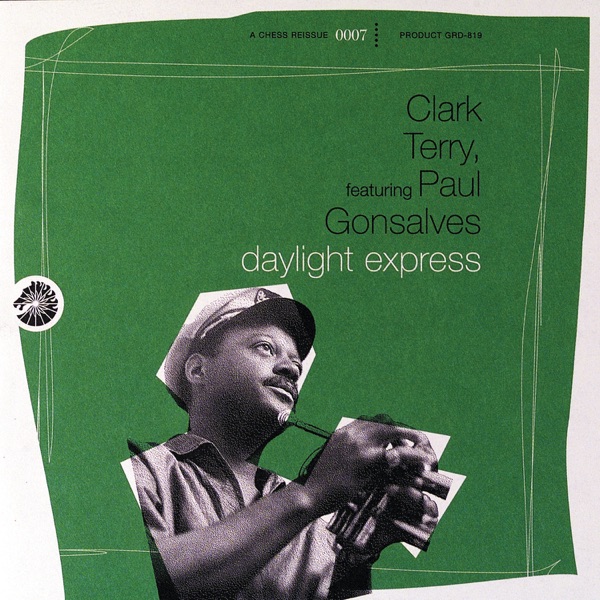
The musicians on this record

Soul in the Night 1966
Sonny Stitt
plays tenor saxophone here
plays tenor saxophone here
Here's Love 1963
Hank Jones
plays piano here
plays piano here



