1962 · Album
Duke Ellington and His Orchestra
Recorded July 7, 1956 at Newport Jazz Festival · Columbia Records · Produced by George Avakian

The Solo That Changed Everything
Gonsalves' twenty-seven choruses didn't just save a performance—they saved a career.
This album sits at the exact moment Paul Gonsalves stopped being Duke Ellington's reliable tenor player and became the man who revived the bandleader's career. That distinction matters. By the mid-1950s, Ellington's commercial fortunes had cooled, and his orchestra was struggling to find its footing in a jazz landscape shifting toward bebop and cool jazz. Then came Newport in 1956. When Gonsalves stepped into that solo on "Diminuendo and Crescendo in Blue," riding twenty-seven consecutive choruses over the orchestra's churning rhythm section, something clicked. The crowd erupted. Critics paid attention again. Suddenly, Ellington was relevant.
This recording captures the orchestra in the aftermath of that seismic moment, when the energy from Newport was still electric and Ellington had every reason to lean on what worked. What's striking is how the orchestra plays with renewed purpose here—there's hunger in these arrangements, urgency in the ensemble work. Gonsalves himself sounds like a man who knows what he proved and isn't about to waste the opportunity. His tone is warm and muscular, his phrasing confident without being showy.
If you're new to Duke Ellington, this isn't the obvious starting point. Try Such Sweet Thunder (1957) or Far East Suite (1966) first. But if you know his earlier work and want to understand what pulled him back into the national conversation, this is where you need to be. It's the album that proves one great solo, played with absolute conviction, can matter more than years of steady output.
Who's playing
Aaron Bellbass
Duke Ellingtonpiano
Harry Carneybaritone saxophone
Paul Gonsalvestenor saxophone
Johnny Hodgesalto saxophone
Russell Procopealto saxophone
William “Cat” Andersontrumpet
Bill Berrytrumpet
Roy Burrowestrumpet
Ray Nancetrumpet
Lawrence Browntrombone
Chuck Connorstrombone
Jimmy Hamiltonclarinet
Sam Woodyardmembranophone
Where next?
More by Paul Gonsalves
All 17 albums →

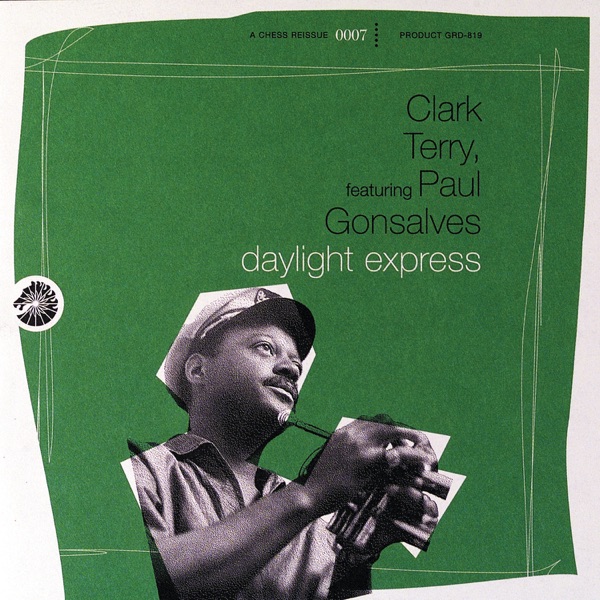
The musicians on this record
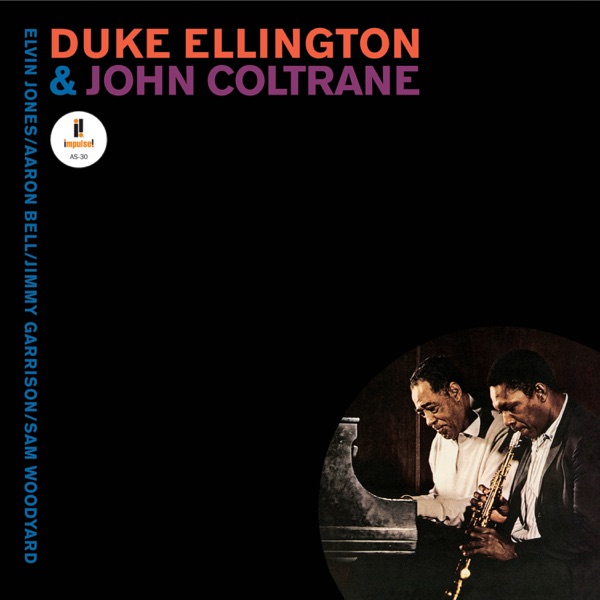
Duke Ellington & John Coltrane 1963
Duke Ellington
plays piano here
plays piano here
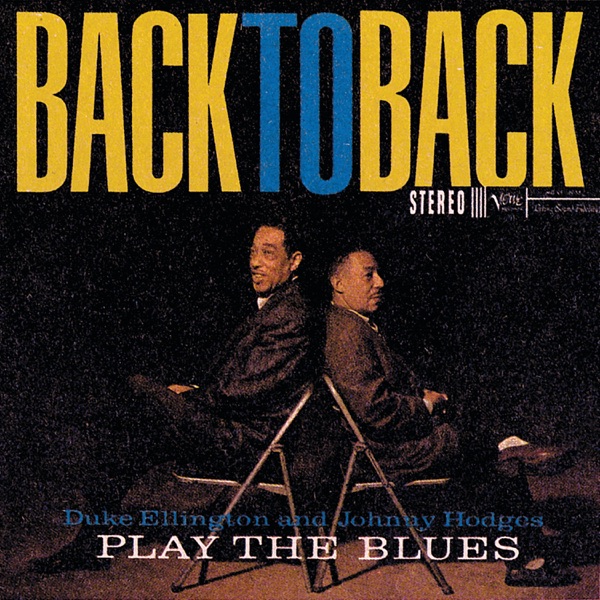
Back to Back: Duke Ellington and Johnny Hodges Play the Blues 1959
Johnny Hodges
plays alto saxophone here
plays alto saxophone here



