When Gonsalves Stepped Into the Light
A day's work that proves why the tenor saxophonist deserved his own bandstand, not just Duke's shadow.
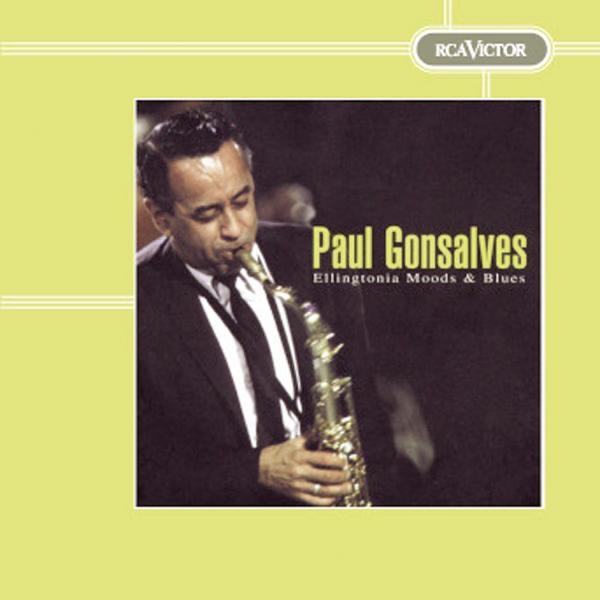
By 1960, Paul Gonsalves had spent years as the reliable anchor of Duke Ellington's saxophone section—a role that brought security and exposure but also a fixed identity. Ellingtonia Moods and Blues marks his moment stepping forward as a leader on his own terms. This isn't a debut in the raw sense, but it is a statement of arrival, the album where Gonsalves gets to ask the questions instead of answer them.
The session has the lean efficiency of its era: one day of recording, one clear vision. Critic Cub Koda called it "one potent date," and the phrase lands because there's no waste here. Gonsalves brings the full weight of his tone—warm, direct, unshowy—and the date breathes with the unhurried confidence of musicians who know exactly what they want to say. Pianist Ethan Iverson later wrote that these Ellington-derived records form "their own universe," and he wasn't wrong. This particular corner of that universe belongs to Gonsalves, and he owns it completely.
The Virgin Encyclopedia of Jazz gave it high marks, and AllMusic reviewer Cub Koda's comment about albums recorded in a single day being "a good thing" cuts to what matters: clarity of purpose. Gonsalves doesn't need a concept or a gimmick. He just needs to play, and here, finally, we hear what that means when the whole date revolves around his sound instead of complementing someone else's.
Who's playing
Al Halldouble bass
Jimmy Jonespiano
Paul Gonsalvestenor saxophone
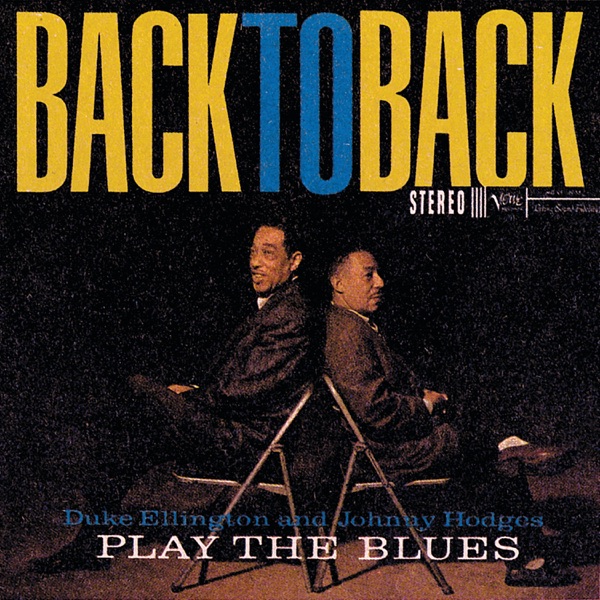
Johnny Hodgesalto saxophone
Ray Nancetrumpet
Mitchell Woodtrombone
Oliver Jacksondrums
Where next?
More by Paul Gonsalves
All 17 albums →


The musicians on this record
Their own records, close in time