Where do you listen?
Choose your streaming service
inside the sleeve
Loading…
inside the sleeveITS
⌕
Read About
Alto Saxophone - USA - Cool Jazz

Paul
Desmond

Start here Glad to Be Unhappy (1965) →
1924 - 1977, San Francisco, USA

Paul Desmond played alto saxophone like he was in absolutely no hurry, and that patience turned out to be one of the most distinctive sounds in jazz. For most of his career he was attached at the hip to Dave Brubeck, which made him famous but also somewhat obscured just how good he was. He wrote one of the most-played songs in jazz history, pocketed the royalties, and spent the rest of his life being quietly brilliant about it.

Cool Jazz
♫

The Sound of Dry Wit

Desmond described his own sound as something like a dry martini, and he wasn't wrong. His tone on the alto was unusually light and airy — no bite, no edge, almost no vibrato. Where Charlie Parker had made the alto saxophone sound urgent and combustible, Desmond made it sound relaxed in a way that somehow never tipped into lazy. His lines were long, unhurried, and full of unexpected melodic turns. He'd start a phrase, take it somewhere sideways, and land it so cleanly you'd almost miss how clever the whole thing was.

He spent the better part of two decades in the Dave Brubeck Quartet, which was the best-selling jazz group of its era. The partnership worked partly because their sounds were so different. Brubeck's piano was blocky and harmonically dense; Desmond floated over it. Together they pulled in audiences who didn't normally buy jazz records, and that success made some serious jazz fans suspicious. The fact that Take Five (1959) — which Desmond wrote — became a pop hit did not exactly help his critical reputation at the time. It was too catchy, too accessible. Looking back, that's a pretty strange thing to hold against someone.

Take Five (1959) deserves a moment here because it really is remarkable, not just as a commercial fluke. It's in 5/4 time, which should feel awkward, but Desmond's melody makes the odd meter feel like the most natural thing in the world. The solo he plays on the recording is unhurried, inventive, and somehow fresh every single time you hear it. A lot of musicians have written one famous song — very few of them wrote one this good.

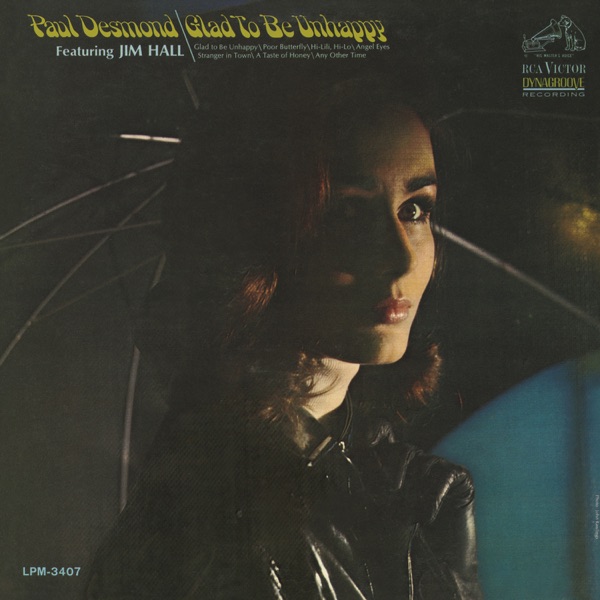
His work outside of Brubeck tends to get overlooked, which is a shame. The recordings he made with Jim Hall in the early 1970s are especially worth tracking down. Hall's guitar was as understated as Desmond's saxophone, so the two of them together had this quality of conversation between people who didn't feel the need to fill every silence. Glad to Be Unhappy (1974) from that period is a good place to start if you want to hear Desmond on his own terms, away from the Brubeck framework.

He died of lung cancer in 1977, having left his Take Five (1959) royalties to the Red Cross. He had a reputation as a wit and a bon vivant — he was apparently very funny in person — and that personality came through in the music more than it usually does with instrumentalists. There's a lightness to how he played that wasn't accidental. He worked at making things sound easy, and if you listen closely enough, you can hear just how much effort that actually took.
Facts
BornNovember 6, 1924, San Francisco, California
DiedMay 30, 1977, New York City
InstrumentAlto Saxophone
Active1940s – 1977
Known forWriting 'Take Five,' his collaboration with Dave Brubeck, his distinctively light alto tone
Connections
Dave BrubeckBandleader and longtime collaborator, San Francisco
→
Jim HallGuitar duo partner, New York
→
Gerry MulliganFellow cool-era alto and baritone voice, New York
→
Read more

Discography

28 records
♫
At Pennsylvania State University 1955
1955
♫
Jazz at the Blackhawk
1956
Paul Desmond Plays Paul Desmond
1957
Paul Desmond
Paul Desmond
1959
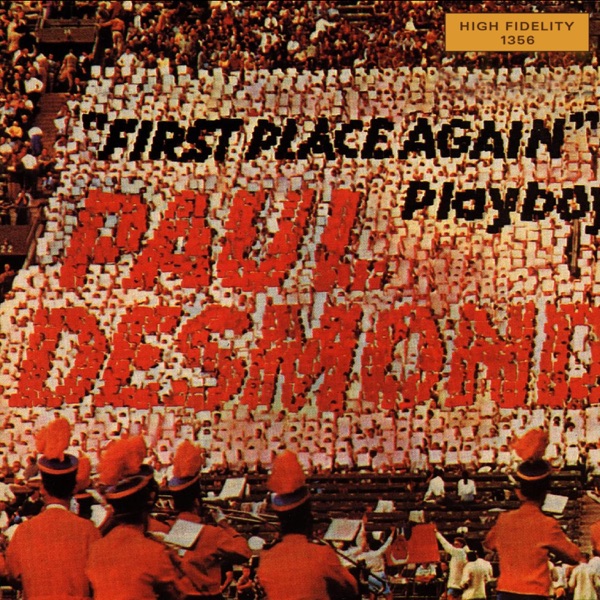
First Place Again
First Place Again
1960
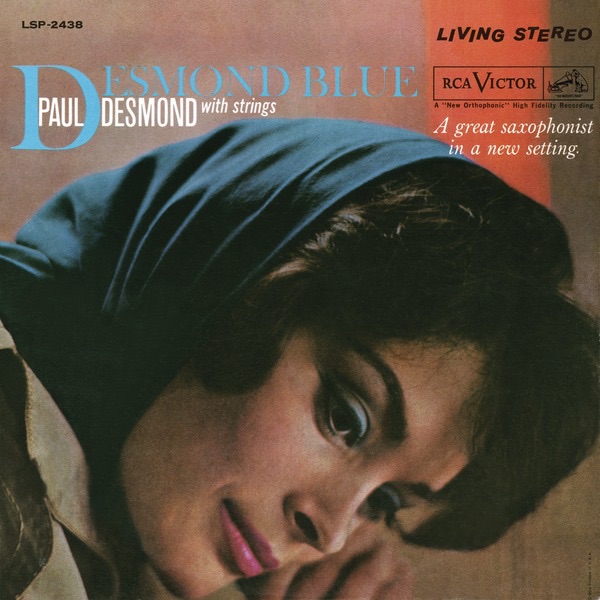
Desmond Blue
Desmond Blue
1962
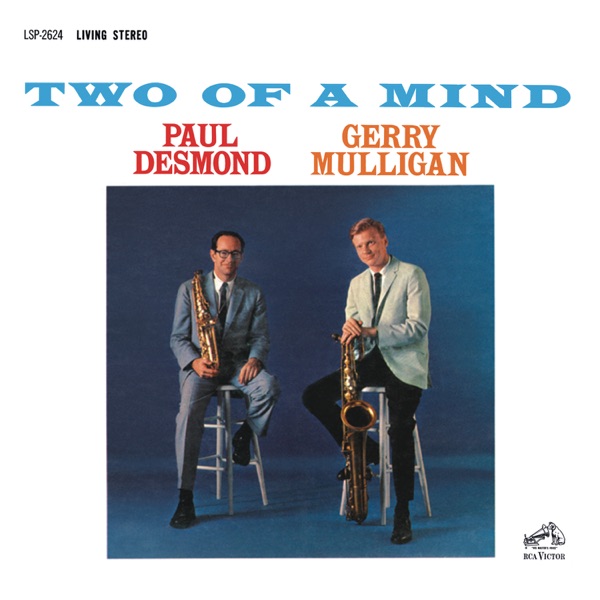
Two of a Mind
Two of a Mind
1962
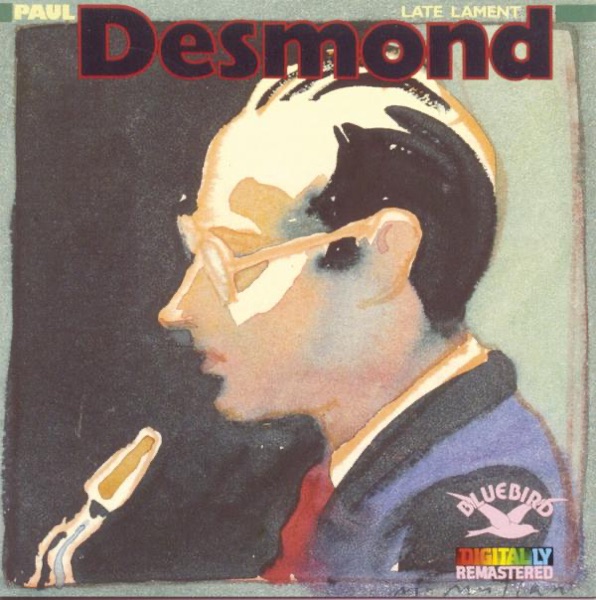
Late Lament
Late Lament
1962
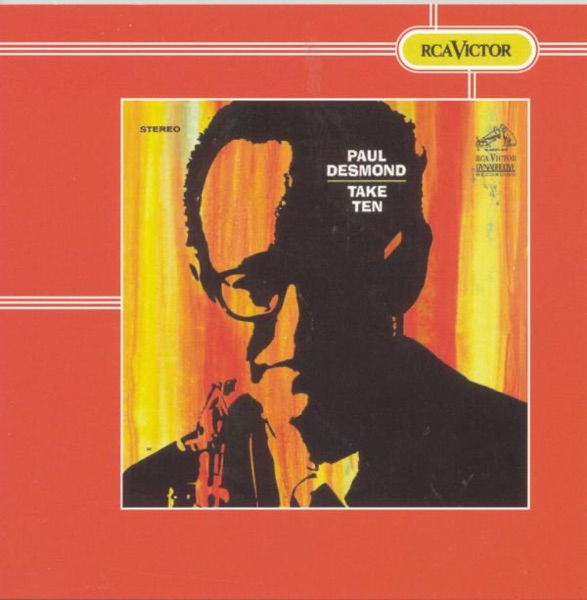
Take Ten
Take Ten
1963
Glad to Be Unhappy
Glad to Be Unhappy
1965
Bossa Antigua
Bossa Antigua
1965
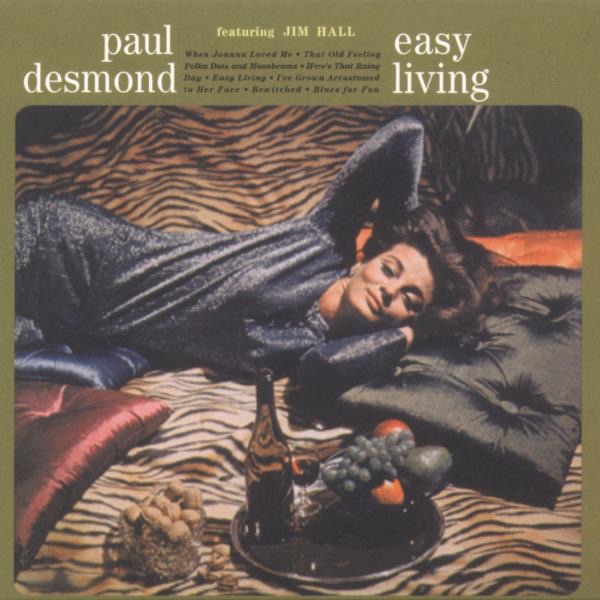
Easy Living
Easy Living
1965
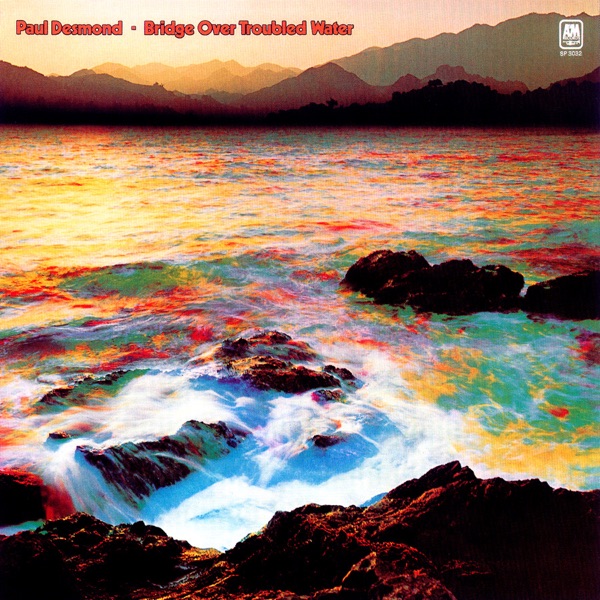
Bridge Over Troubled Water
1969
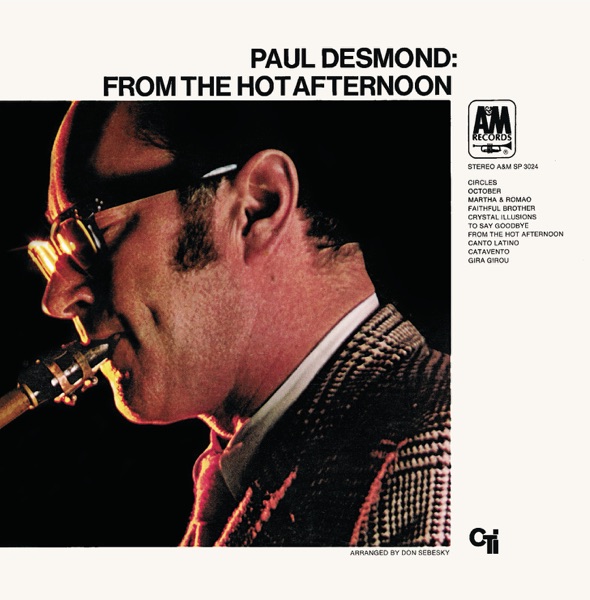
From the Hot Afternoon
1969
Summertime
Summertime
1969
♫
The Ballad of Paul Desmond
1970
Cool Imagination
Cool Imagination
1973
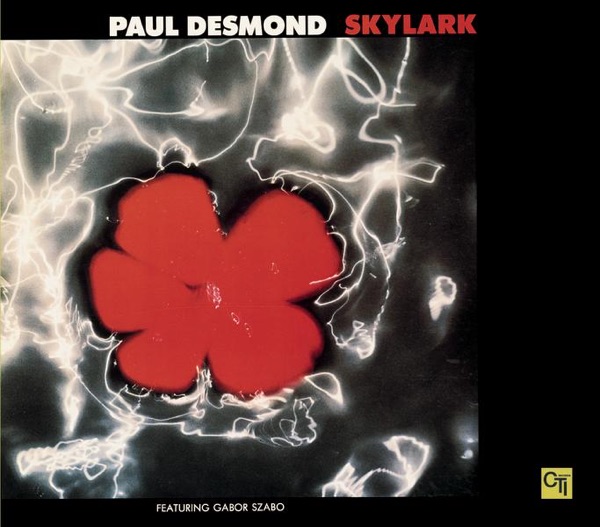
Skylark
Skylark
1973
Like Someone in Love
1975
Pure Desmond
Pure Desmond
1975
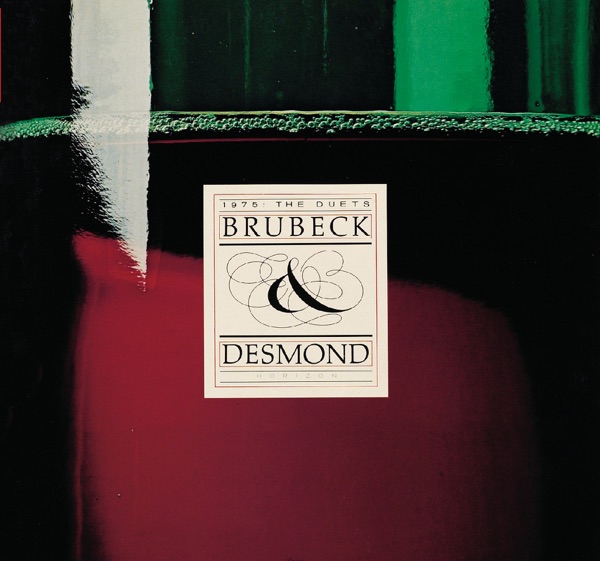
1975: The Duets
1975: The Duets
1976
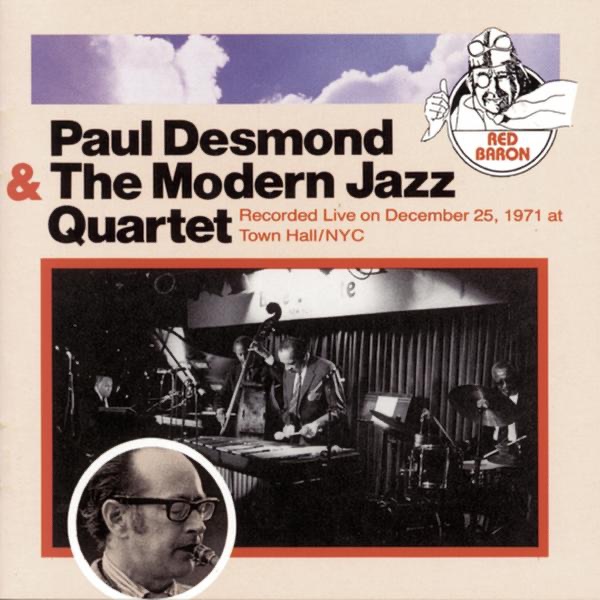
Paul Desmond & The Modern Jazz Quartet
1981
Re-Union
Re-Union
1994
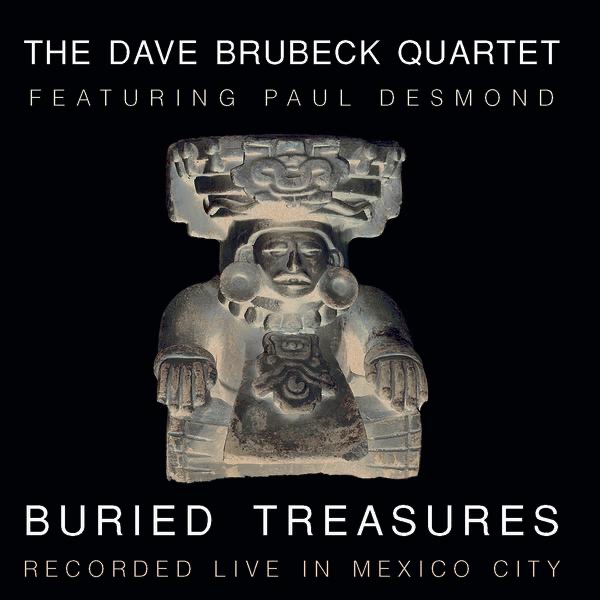
Buried Treasures: Recorded Live in Mexico City
1998
Desmond Blue / Take Ten
2000
♫
Complete Jazz at Storyville
2002
Improvised Counterpoints
2009
Six Classic Albums
Six Classic Albums
2015

Collaborations

Live on Youtube

Explore Further

Selected connections
Guitarist, USA
Jim Hall
If the Desmond-Hall duo records appeal to you, Hall's solo work has the same quality of restraint and melodic intelligence. Start with Undercurrent.
Explore →
Album, 1959
Time Out
The Dave Brubeck Quartet record that made Desmond famous. Worth hearing the whole thing, not just Take Five — the interplay between Desmond and Brubeck across the album tells you a lot about how the partnership actually worked.
Explore →

Who's playing
Listen next
Recording Info
Track listing
Musicians
Further Reading
Read more

Where next?

More by this artist

Albums with the same musicians

From the same era

Similar artists

inside the sleeve
Growing
Jazz, explained without pretension.
Read · Follow the connections · Press play
Right now: 7,100+ albums · 440+ artists
Start here
New to jazz? These artists are good places to start.
Loading…
Explore
Nine records worth getting lost in.
Born today
Album of the day
A landmark record, every day.
Read
  • Loading…
Article archive →
Recently added
Purpose
Inside the Sleeve is your companion on a journey through jazz — not a textbook, but something closer to a knowledgeable friend sitting next to you while you listen. Read about an artist, press play, follow a connection, discover an album you didn't know you needed.
Suggestions
Read

Articles

Essays, guides, and lists about jazz and the records that matter.

Loading…

Genre

Key Artists
Further Reading

Essential Albums

Related Genres

In This Genre

About

Inside the Sleeve

Work in progress

Inside the Sleeve grows continuously — new artists and albums are added, essays refined, as visitors explore and our editors follow up on what they find. Content, features, and design are still evolving; use the Report error button on any page to flag something that seems off.

Content

Every artist, album, and release date on Inside the Sleeve is real — verified against trusted sources including MusicBrainz and Wikipedia. We don't invent discographies or fabricate records. AI compiles that verified information into readable prose — essays on artists, albums, and the music itself. We can't manually review every essay before publishing, but every reported error is checked by a human editor.

Inside the Sleeve is not a review site. We're not here to rate or rank — we're here to guide you in. Where an album stands out, we'll say so. Where an artist changed everything, you'll know why. But we won't tear anything down. Jazz history is complex and sources sometimes disagree — if you spot something that seems off, please report it.

Streaming

Inside the Sleeve links to Spotify and Apple Music so you can listen while you read. These are not affiliate links. For Spotify, links open a search on open.spotify.com — we do not have direct links to specific recordings. For Apple Music, direct links are used where available, otherwise a search is opened.

Your choice of streaming service is stored locally in your browser only. It is never sent to our servers.

We're working on deeper Spotify integration, including direct links to specific recordings.

Privacy

Inside the Sleeve does not collect personal data and does not use cookies. We count page visits anonymously using a self-hosted analytics tool — no personal identifiers are stored, and the data never leaves our own server. The only preference stored on your device is your streaming service choice, saved locally in your browser and never transmitted.

When you submit a suggestion or error report, the text you write is stored in our database. No name or email is required or collected unless you choose to provide one.

Third-party services

Spotify and Apple Music are independent services with their own terms of use and privacy policies. Inside the Sleeve is not affiliated with or endorsed by either company.

Support

Inside the Sleeve is free and ad-free. If you enjoy it, a coffee helps cover server costs and keeps the project going.

Amazon

Some book recommendations on Inside the Sleeve link to Amazon. Buying through these links costs you nothing extra — but Amazon pays us a small commission, which goes directly towards keeping the site running. It's a simple way to support the project if you were going to buy the book anyway.

As an Amazon Associate, Inside the Sleeve earns from qualifying purchases.

Questions or feedback? Use the suggestion box on the front page.

Inside the Sleeve — A guide for those who want to go beyond the obvious About & Privacy