Desmond's Gentle Detour Into Bossa
Desmond steps into bossa nova territory with grace, though the fire never quite ignites.
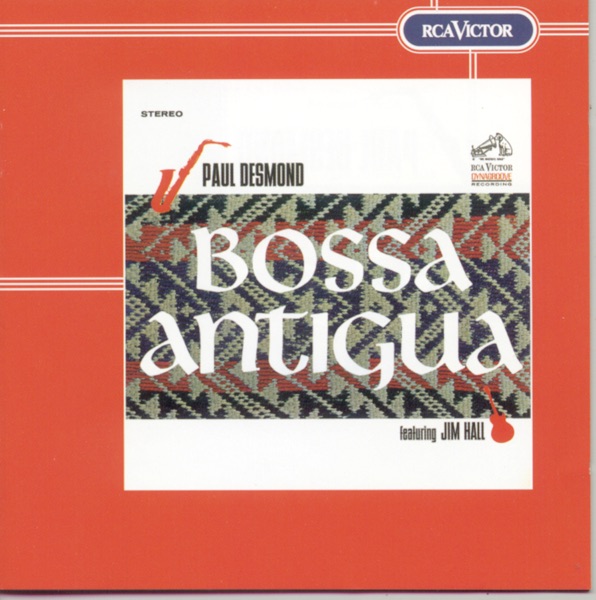
By 1964, Paul Desmond had already established himself as one of jazz's most lyrical voices, a saxophonist known for crystalline tone and harmonic sophistication. Bossa Antigua sits in the middle of his career—not a breakthrough, not a swan song, but a deliberate sideways move into a sound that was enjoying genuine popularity. The album wears its influences openly: bossa nova had swept through American jazz three or four years earlier, and Desmond decided to engage with the rhythm and melodic sensibilities of the Brazilian idiom directly.
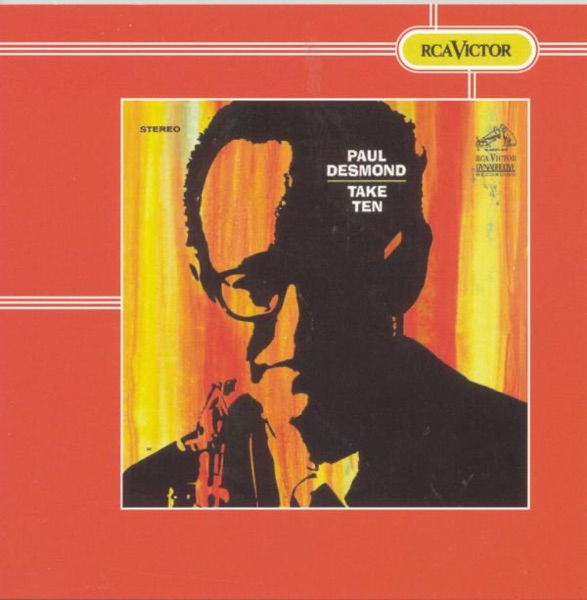
The results are pleasant and professional. Desmond's alto possesses an almost dandyish elegance suited to bossa's sophistication, and his phrasing finds natural footing in the gentle syncopation. What keeps the album from reaching the heights of his best work is exactly what AllMusic reviewer noted—the playing, while wonderful throughout, falls just short of the full-throttle inspiration that marked albums like Take Ten (1963). There's contentment here rather than urgency, craft rather than conviction. The album title itself hints at this: a wordplay on bossa nova, Bossa Antigua translates loosely as "old thing," though the word draws from Spanish rather than Portuguese, and the double meaning references the Caribbean island. It's a playful gesture, appropriate to the album's overall tone.
This is a solid mid-career statement from a master, not a turning point. Start with Take Ten or his work with Dave Brubeck to hear Desmond at his most essential. But if you already know those records well, Bossa Antigua offers a chance to hear him thinking sideways, exploring how his voice might sit within a different rhythmic framework.