Desmond Alone, Finally Himself
Freed from the Brubeck quartet, Desmond sounds relaxed, unhurried, and completely in charge.
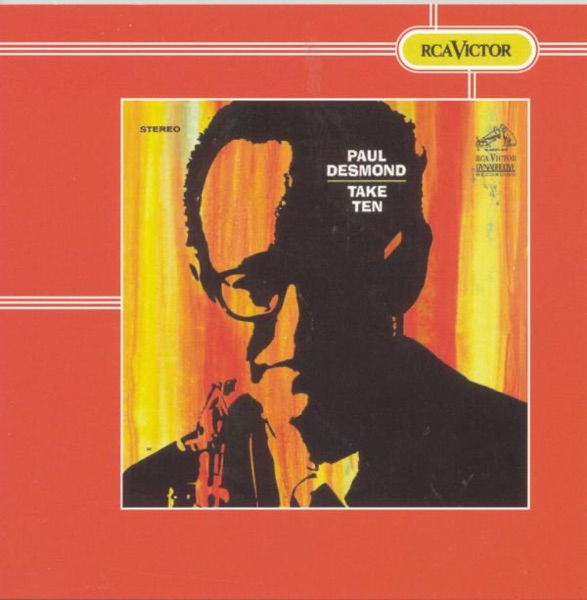
For most of his career, Paul Desmond was known primarily as the alto saxophonist in the Dave Brubeck Quartet — the guy who wrote 'Take Five' and then watched it become the best-selling jazz single ever recorded. Take Ten, released in 1963 on RCA Victor, is one of the clearest looks we get at Desmond working outside that context, leading his own date, and doing exactly what he wanted. The title is a nod to 'Take Five,' but this one swings in 5/4 time, just like "Take Five," which sounds gimmicky on paper and sounds perfectly natural on record. That was Desmond's gift — he could make odd meters feel conversational.
The album pairs him with guitarist Jim Hall, and that pairing is the whole story here. These two had a natural rapport — both quiet players, both more interested in space than density. Where a lot of jazz records from this era feel busy, Take Ten (1963) feels airy. Nobody is showing off. Hall comps with real restraint, and Desmond plays long melodic lines that seem to go wherever they feel like going. The rhythm section supports without intruding. It is a genuinely pleasant record, and that is not faint praise — pleasant is harder to pull off than intense.
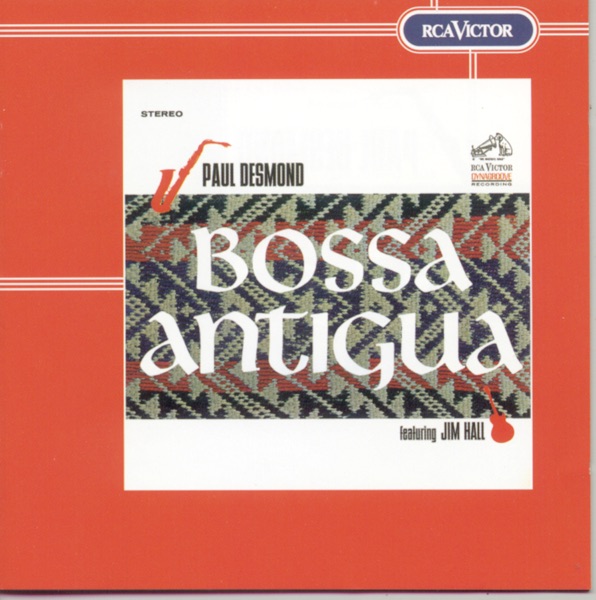
The cover art, credited to Andy Warhol, adds a footnote of cultural curiosity, though it won't change how the music sounds in your headphones at midnight. This is not Desmond's most adventurous record, and it does not try to be. What it is, is a confident, unhurried statement from a player who knew exactly what he was good at and saw no reason to apologize for it. If you like cool-toned alto with strong melodic sense, start here.
Who's playing
Where next?
More by Paul Desmond
All 28 albums →

The musicians on this record
Their own records, close in time