1973 · Album
Skylark
Recorded 1973 · CTI · Personnel: Paul Desmond (alto saxophone), Gábor Szabó (guitar)
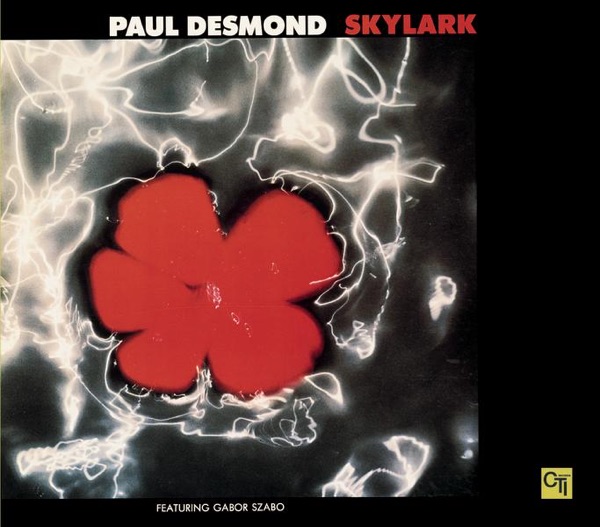
Desmond Ventures Into the Seventies Sound
A cautious reinvention that doesn't quite ignite, but shows Desmond willing to take the risk.
Skylark opens with textures you don't hear in Desmond's earlier work — there's electricity in the air, a looseness that edges toward fusion without fully committing to it. The 1970s are here in the production, the rhythms, the way the band is arranged. Gábor Szabó's guitar gives the sessions a warmth and a slightly exotic flavor. The tempos are often unhurried, the mood contemplative but restless, like Desmond is testing how far he can drift from the cool, crystalline sound that made him famous.
Recorded in 1973, this album represents Desmond moving cautiously into new territory. He was willing to acknowledge that jazz had shifted around him, that the smooth, sophisticated alto saxophone style of the 1950s needed some kind of adjustment for a new decade. The results are agreeable — not stiff, not phoned in — but they also feel like Desmond checking boxes rather than discovering something. Reviewer Richard S. Ginell, writing for AllMusic, caught this hesitation exactly: Desmond was in a fiercer context than he was used to, and while he handled it professionally, it didn't really spark his imagination the way his most memorable work does.
This isn't a peak Desmond album, and it's not the place to start if you're new to him. The real showcase for his gifts remains Take Ten (1963) or his earlier work in the Dave Brubeck Quartet. Skylark is for listeners who already know Desmond and want to see how he adapted when the musical world moved on.
Who's playing
Ron Carterdouble bass
Gene Bertonciniguitar
Gábor Szabóguitar, solo
Paul Desmondalto saxophone
Jack DeJohnettedrums
Ralph MacDonaldpercussion
Bob Jameskeyboard
George Riccicello
Where next?
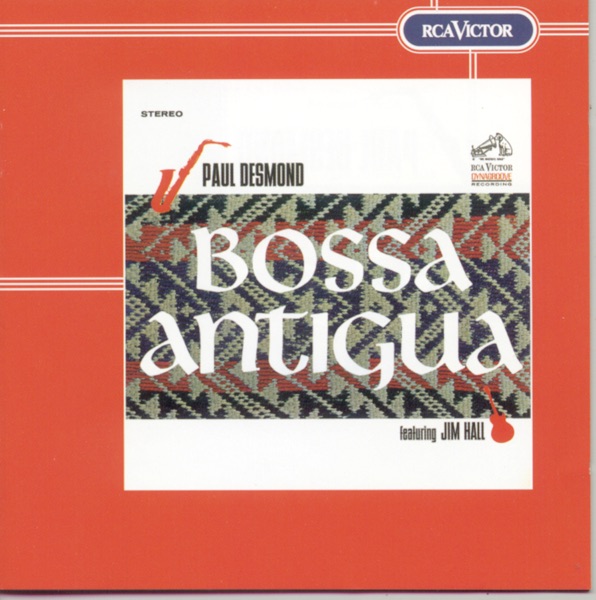
More by Paul Desmond
All 28 albums →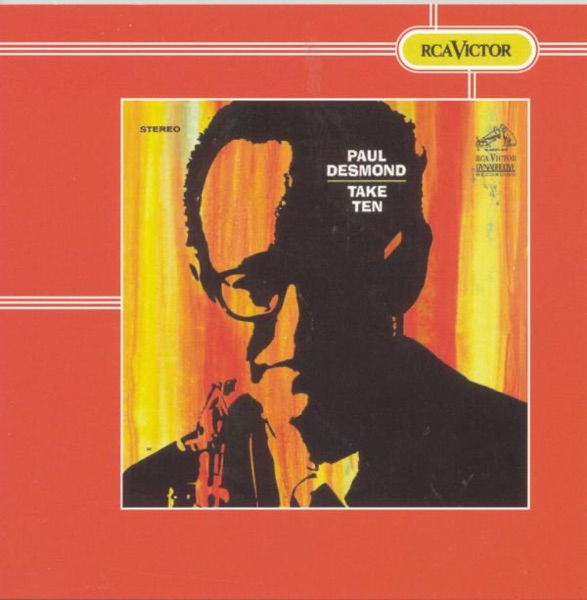
The musicians on this record

Mizrab 1973
Gabor Szabo
plays guitar here
plays guitar here

One 1974
Bob James
plays keyboard here
plays keyboard here
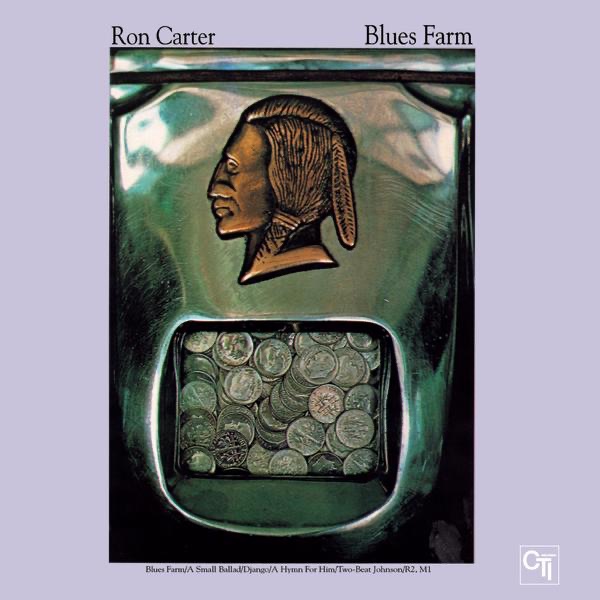
Blues Farm 1973
Ron Carter
plays double bass here
plays double bass here

Sorcery 1974
Jack DeJohnette
plays drums (drum set) here
plays drums (drum set) here


