Szabó's Eastern Promise: Mizrab Revisited
Mizrab finds Szabó exploring his Hungarian roots through jazz fusion, the guitar singing with unexpected warmth.
By 1972, Gábor Szabó had already established himself as a guitarist unafraid to blend jazz with world music influences, and Mizrab stands as a confident statement of that direction. The album emerges from sessions that capture Szabó working within the CTI sound — polished, arranged, and unapologetically lush. This is not raw fusion; it's jazz written for strings and orchestration, the kind of record that sounds equally at home in a living room or on FM radio. Szabó's guitar work here is melodic and singing rather than flashy. He lets the arrangements breathe around him, finding space to solo without dominating.
What makes Mizrab distinct in Szabó's catalog is how directly it engages with his Hungarian identity. The title itself hints at this — a mizrab is a plectrum used in Middle Eastern music — and the album leans into that cross-cultural curiosity. Rather than apologize for the orchestral production, Szabó uses it to expand what his guitar can suggest. The arrangements give weight to melodies that might sound slight on a smaller ensemble date. You hear him thinking about composition here, not just improvisation.
This is not an essential starting point for Szabó, though it's solid work that rewards listening. If you want to understand his range and his willingness to work within arranged settings, Mizrab delivers that. The CTI connection means it shares DNA with other fusion records of the era — slick, professional, occasionally too polished for its own good. But there's genuine melody underneath, and Szabó plays with enough conviction that the sophistication never feels empty. It's a record that makes sense once you know Szabó's work, a piece that fits into the larger picture of his career.
Who's playing
Ron Carterbass
Gábor Szabóguitar
Billy Cobhamdrums
Jack DeJohnettedrums
Ralph MacDonaldpercussion
Bob Jameskeyboard
Where next?
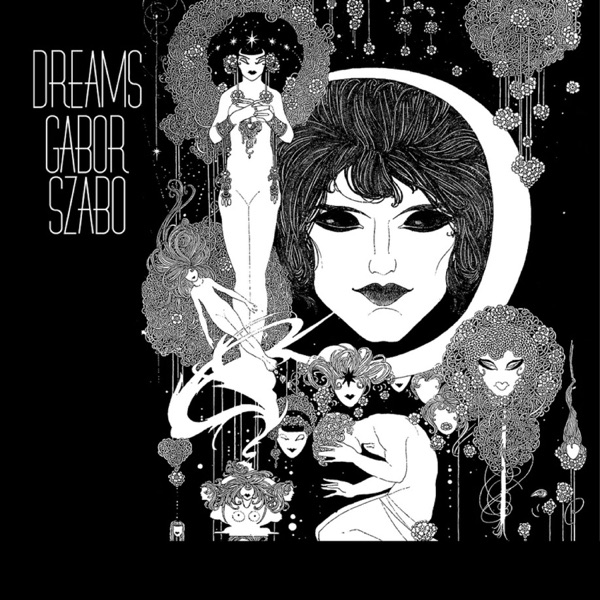


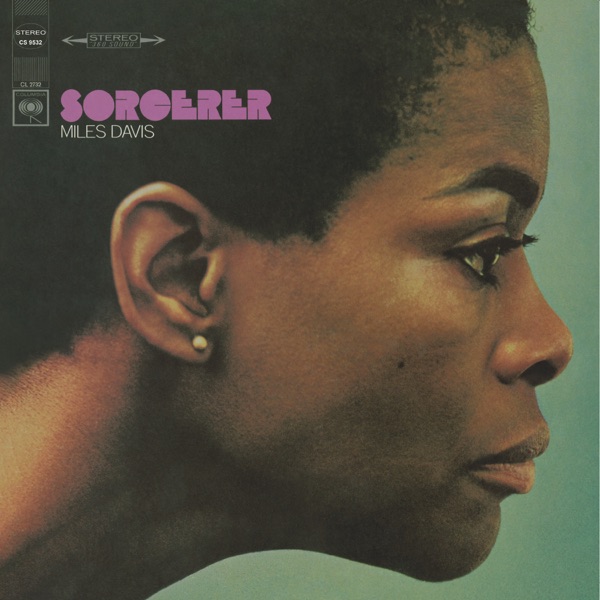
The musicians on this record
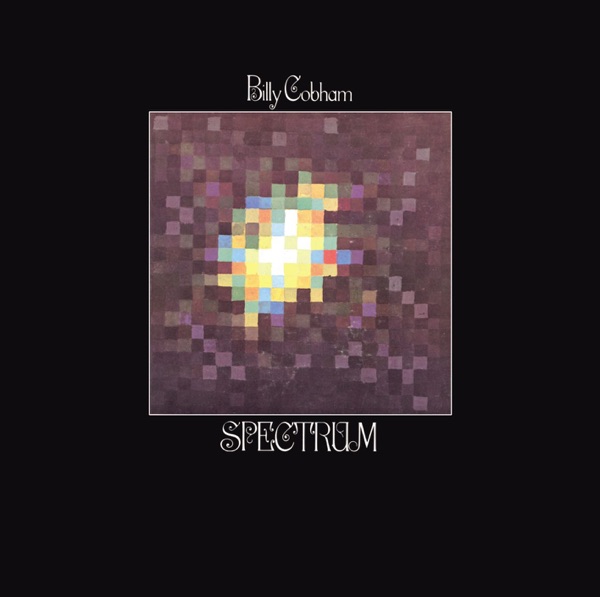
Spectrum 1973
Billy Cobham
plays drums (drum set) here
plays drums (drum set) here

One 1974
Bob James
plays keyboard here
plays keyboard here
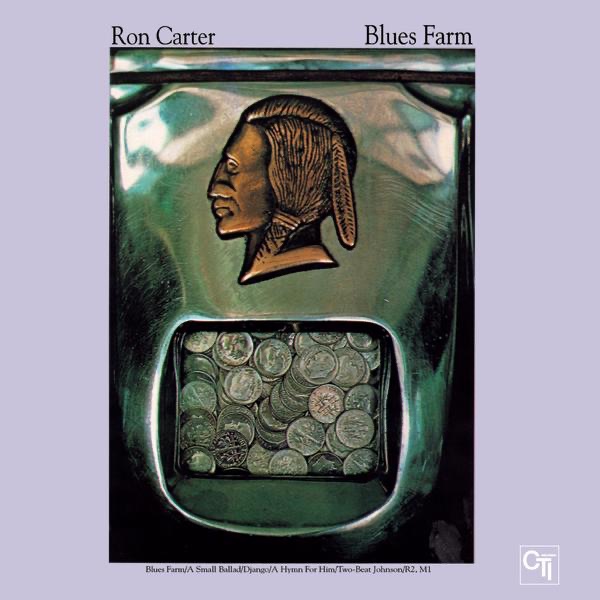
Blues Farm 1973
Ron Carter
plays bass here
plays bass here

Sorcery 1974
Jack DeJohnette
plays drums (drum set) here
plays drums (drum set) here