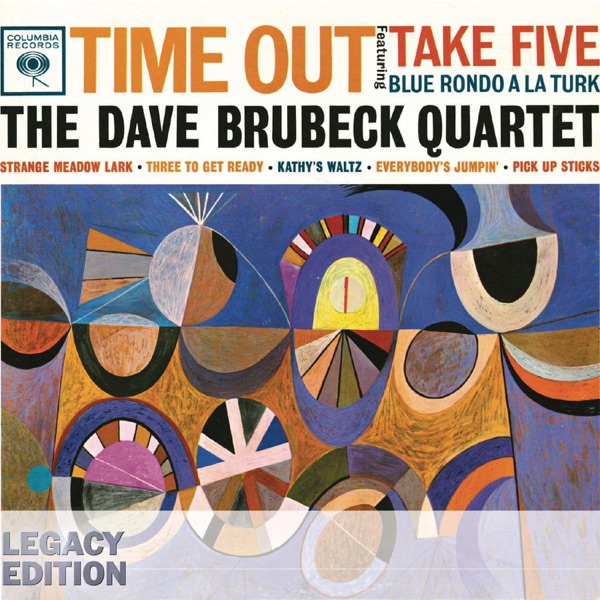
The Beat That Didn't Fit the Box
Time Out made jazz feel like a puzzle worth solving — and the solving is genuinely fun.
There are albums that arrive with a clear agenda, and Time Out (1959) by the Dave Brubeck Quartet is one of them. The concept is right there in the title: what happens when jazz musicians deliberately step outside the four-four comfort zone that had defined the music for decades? Brubeck and his bandmates — most crucially alto saxophonist Paul Desmond — answer that question not with academic stiffness but with something that actually swings, even when it refuses to behave. Recorded at Columbia's 30th Street Studio in New York City, the album draws on cool and West Coast jazz sensibilities, keeping the mood light, melodic, and approachable even as the rhythmic math underneath gets genuinely unusual.
The standout here is 'Take Five,' composed by Desmond in five-four time — an odd grouping that somehow became one of the most recognizable jazz melodies ever recorded. Desmond's alto is airy and conversational throughout the album, and his chemistry with Brubeck is the engine that makes the odd meters feel natural rather than forced. 'Blue Rondo à la Turk' opens the record in nine-eight, cycling through an asymmetric pattern before breaking into a more conventional blues feel — a neat trick that shows the band knows exactly what rules they're bending and why. 'Pick Up Sticks' works in six-four and is probably the most straightforwardly fun track on the record.
Is this a perfect album? Not quite — a couple of tracks feel more like pleasant experiments than fully realized performances. But as a coherent statement about what jazz rhythm could be, it holds up remarkably well. If you've never spent time with it, start with 'Take Five' and then let the rest of the record unfold. You'll find it stranger, and warmer, than you expect.
Who's playing
Where next?
More by Dave Brubeck
All 14 albums →


The musicians on this record
Their own records, close in time


