
Finding the Right Groove at the Right Time
Brubeck proves he can swing hard without abandoning what makes his music distinct.
By the late 1950s, Dave Brubeck had already established himself as something different — a classically trained pianist leading a jazz quartet that got played on pop radio and college campuses alike. Time In (1959) sits right in the middle of his most productive stretch, and it's a record that shows him comfortable in his own skin. He's not trying to prove anything to the hard-core jazz establishment anymore. The album kicks off with energy and purpose, the kind of session where everyone seems locked in and ready to play.
What you notice first is how direct these performances are. There's no pretense here, no classical flourishes awkwardly grafted onto blues changes. The quartet sounds like they've played these arrangements a hundred times, which probably means they have. The rhythm section locks in tight, and Brubeck's comping behind the soloists feels both supportive and inventive. Some tracks lean into the accessibility that made Brubeck famous — they breathe a little easier, welcome the listener in. Others dig deeper into the harmonic territory he'd been exploring. It's a working band doing what it does best, and that consistency is worth something.
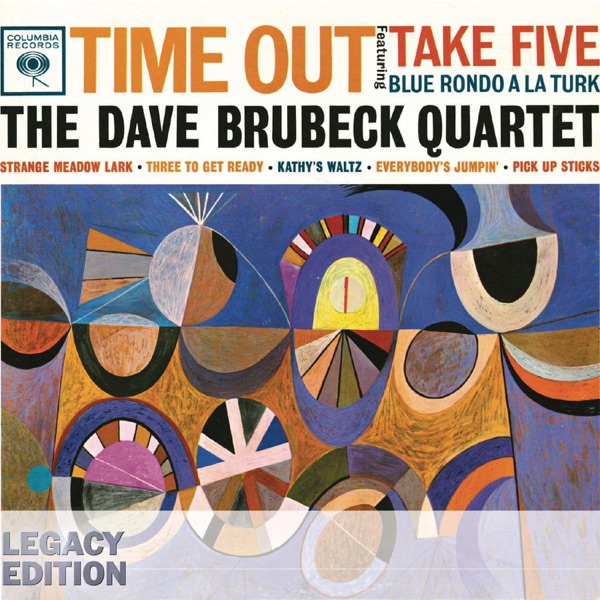
This isn't the album to start with if you're new to Brubeck — that would be Time Out (1959), the record that defined his public image. Time In is more for the person who already likes what he does and wants to hear him in a straightforward jazz setting, no experiments, no tricks. It's the sound of a musician at the top of his craft, making music that feels both professionally polished and genuinely lived-in. These aren't revolutionary moments, but they're honest ones.
Who's playing
Where next?
More by Dave Brubeck
All 14 albums →


The musicians on this record
Their own records, close in time


