1961 · Album
Time Further Out
Recorded 1960-1961 · Columbia Records · Produced by Teo Macero

Beyond the Time Signature
Brubeck pushes deeper into odd meters, proving they're not a gimmick but genuine jazz language.
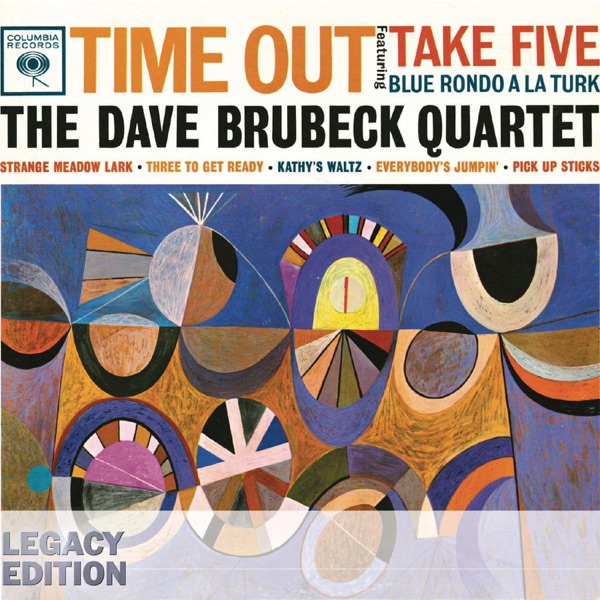
If Time Out (1959) was Brubeck's breakthrough into unusual time signatures, Time Further Out (1961) is him getting comfortable there, almost cocky about it. This isn't a follow-up album made to capitalize on success—it's a genuine exploration that assumes you're ready to go further. The opening track sets the tone: Brubeck and his quartet aren't explaining odd meters anymore, they're inhabiting them, moving through 11/8 and 7/4 like these are natural conversational rhythms. There's a confidence here that comes from having proven something already works.
What makes this record distinct is how less novelty-driven it feels compared to its predecessor. The compositions breathe easier. You get pieces that happen to use unusual time signatures rather than pieces built around the time signature as the main event. "Unsquare Dance" is perhaps the closest to another gimmick-adjacent moment, but even that track—in 7/4—has a genuine swing to it, almost playful. The rhythm section locks in tight, and there's actual soloing happening over these meters, not just decoration. Brubeck himself sounds more relaxed at the piano, less concerned with proving a point.
This sits in the middle of his career as a band leader—neither his peak nor a misstep, but a confident statement that these experiments in form were no flash in the pan. It's worth seeking out if you've heard Time Out and want to hear what came next, but also worth noting that neither album feels essential if you're just dipping into Brubeck. Start with Time Out first. That one's the revelation. This one's what happens when the revelation is already understood.
Who's playing
Where next?
More by Dave Brubeck
All 14 albums →


The musicians on this record
Their own records, close in time


