1973 · Album
Cool Imagination
Recorded 1973 · CTI · Featured Musician: Gábor Szabó, guitar

Desmond Cautiously Steps Into the Seventies
A careful experiment where Desmond's lyrical alto meets a 1970s context that doesn't quite ignite his best instincts.
By 1973, Paul Desmond had spent more than two decades perfecting a particular kind of beauty — the sort that came from restraint, clarity, and an almost fastidious attention to melodic line. Skylark finds him working with guitarist Gábor Szabó in a setting that tilts toward the funkier, more contemporary production values of early-seventies jazz fusion. The album sounds like Desmond trying something different, reaching toward a sound that was happening around him rather than the sound he'd perfected long before.
What you actually hear is a saxophonist whose tone remains warm and precise, but placed against rhythms and textures that feel slightly at odds with his nature. The production is lush — strings appear, electric instruments hum beneath acoustic ones, and the whole thing has that slightly cushioned quality that CTI Records favored. Desmond plays well here; his technique is immaculate as always, and there's nothing wrong with his playing. But there's also a sense of caution running through the record, as if he's testing the waters rather than diving in. Richard S. Ginell's AllMusic review captured this tension exactly: the album shows Desmond injecting something of the seventies into his sound, but achieving results that feel agreeable rather than necessary. The fiercer context doesn't really challenge him into discovering something new.
This is a solid record for committed Desmond followers, particularly those curious about how he engaged with the jazz landscape of his final years. But it's not the album to start with, and it's not where his imagination burned brightest. Come to Skylark after you've heard Take Ten (1963) or his work with Dave Brubeck — you'll understand better what he was attempting here, and why the attempt, however tasteful, feels like he's operating in someone else's idiom.
Who's playing
Where next?
More by Paul Desmond
All 28 albums →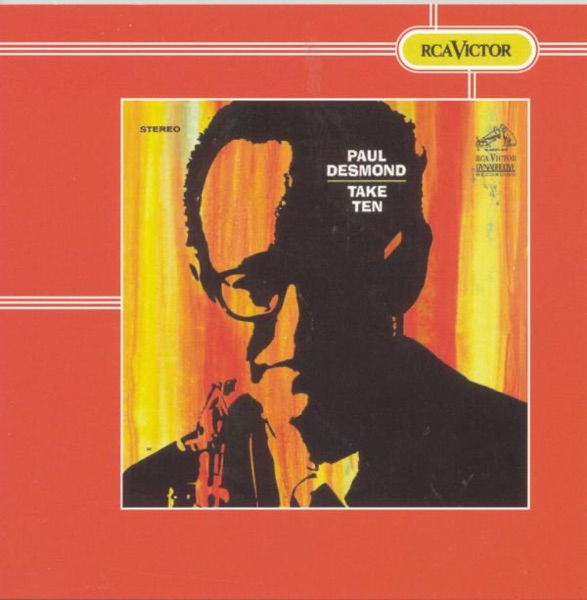


The musicians on this record
Their own records, close in time